
Latest News
eFarm Blog
Introduction to the Global Avocado Market
The global avocado market has witnessed substantial growth over the past decade, driven by the fruit’s rising popularity among health-conscious consumers and culinary enthusiasts. Often hailed as a superfood, avocados are renowned for their rich nutritional profile, offering an abundance of vitamins, healthy fats, and antioxidants. This nutritional appeal, combined with the fruit’s versatility in various culinary applications—from salads and sandwiches to smoothies and guacamole—has propelled avocados to the forefront of global food trends.
The primary producers of avocados include Mexico, which accounts for nearly half of the world’s production, along with other significant contributors such as Peru, California, and Kenya. These regions benefit from favorable climatic conditions, allowing them to cultivate high-quality avocados to meet the burgeoning demand. The supply and demand dynamics of avocados have seen notable shifts, influenced by factors such as climate change, trade policies, and evolving consumer preferences. For instance, adverse weather conditions in major producing countries have sometimes led to supply shortages, causing fluctuations in market prices.
Kanga Fruits has emerged as a relevant player within this thriving market. The company has capitalized on the growing demand for avocados by sourcing and distributing premium-quality fruits to a global audience. Through sustainable farming practices and robust supply chain management, Kanga Fruits ensures that their avocados not only meet but exceed market expectations in terms of taste, quality, and nutritional value. As the demand for nutritious and versatile food options continues to rise, the global avocado market is poised for further expansion, presenting opportunities and challenges for producers, distributors, and consumers alike.
Current Trends in Avocado Consumption
In recent years, avocado consumption has seen a significant rise worldwide, propelled by a diverse array of trends that emphasize health-conscious eating, the rise of plant-based diets, and the popularity of innovative food recipes. Avocados, rich in essential nutrients like healthy fats, vitamins, and minerals, have become a staple in the diets of those seeking nutritious and wholesome food options.
Globally, the shift towards healthier eating habits has significantly contributed to the increased demand for avocados. Consumers are increasingly aware of the health benefits associated with avocados, such as their ability to help maintain cardiovascular health and support weight management. This growing health awareness is particularly notable in North America and Europe, where the pursuit of balanced diets has driven the surge in avocado consumption.
Plant-based diets, advocating the consumption of fruits, vegetables, legumes, and whole grains, have also markedly boosted the popularity of avocados. As more individuals opt for vegan or vegetarian lifestyles, avocados offer a versatile and nutrient-packed ingredient. Their creamy texture and rich taste make them a popular substitute in dishes that traditionally rely on animal products, thus aiding in the promotion of sustainable food sources.
The culinary versatility of avocados has spawned a myriad of recipes ranging from simple avocado toast to more elaborate dishes like avocado sushi or even smoothies. This versatility caters to diverse palates and dietary preferences across various regions. For instance, in regions such as Latin America, avocados have long been ingrained in traditional cuisines, whereas in Asia, novel uses of avocados have been rapidly emerging.
Social media platforms and food influencers play a pivotal role in escalating the global obsession with avocados. Platforms like Instagram and TikTok are replete with visually appealing avocado recipes that inspire millions of followers to incorporate the fruit into their meals. Influencers frequently highlight the fruit’s health benefits, its gastronomic versatility, and provide creative culinary inspiration that resonates globally.
Concisely, the current trends driving avocado consumption are multifaceted, spanning health consciousness, plant-based dietary preferences, and culinary innovation. With the continued influence of social media and the growing global inclination toward healthier eating practices, avocados are likely to maintain their prominent status in global markets.
Major Avocado Markets
The global avocado market is marked by distinctive regional characteristics and consumer behaviors. Among the foremost markets, the United States stands out as the largest consumer of avocados. The popularity of avocados in the U.S. has been steadily growing, driven by the rise of health consciousness and the fruit’s promotion as a superfood. Import data reveals that Mexico is the primary supplier, accounting for over 80% of the avocados imported into the U.S. market. Despite import tariffs, the demand remains robust, with local production in states like California and Florida supplementing the supply.
In Europe, avocados have seen a significant uptick in consumption, particularly in countries like the Netherlands, Spain, and France. The European market is characterized by a preference for ready-to-eat, ripened avocados, and the local production, predominantly in Spain, coupled with imports from Peru, Chile, and South Africa, caters to the growing demand. Tariff regulations within the European Union generally facilitate smoother trade, fostering a conducive environment for avocado importers and producers alike.
Asia represents a rapidly evolving market with immense growth potential. In countries such as Japan and South Korea, awareness and consumption of avocados have increased substantially. However, it is in emerging markets like China and India where the future growth prospects are most promising. Both countries have large, increasingly health-conscious populations that are quickly developing a taste for avocados. The import statistics indicate a rising trend, though high tariffs and lack of domestic production in these countries present challenges that industry stakeholders continue to navigate.
Lastly, Latin America, although a leading producer, emerging markets like Brazil are witnessing growth in domestic consumption as well. The interplay of local production capacity and export demands shapes the dynamics in these regions.
Challenges in the Avocado Supply Chain
The supply chain for avocados faces a myriad of challenges that influence both the availability and pricing of this popular fruit. One primary issue is the impact of climate change, which affects growing conditions in key avocado-producing regions. Unpredictable weather patterns, prolonged droughts, and extreme temperatures can devastate crops, leading to reduced yields and supply inconsistencies. Such environmental fluctuations often result in higher prices for consumers due to the imbalance between supply and demand.
Disease management presents another significant challenge. Avocado farmers contend with diseases like laurel wilt and avocado root rot, both of which can severely affect crop health and productivity. These diseases require vigilant monitoring and significant investments in advanced agricultural practices and treatments. Preventing the spread of these diseases is crucial for maintaining a stable supply chain.
Transportation logistics also play a critical role in the avocado supply chain. Avocados must be transported under specific conditions to ensure they remain fresh upon arrival at their destination. Cold chain logistics, efficient packing, and timely transportation are all essential. However, disruptions in any part of this logistical chain, whether due to infrastructure issues, labor strikes, or geopolitical tensions, can lead to delays and spoilage, impacting the overall supply and inflating prices.
Sustainability concerns are increasingly becoming a priority within the avocado industry. Practices such as deforestation, excessive water usage, and non-sustainable farming methods have raised alarms among environmentalists and consumers alike. Consequently, there is a growing demand for more sustainable approaches to avocado cultivation and distribution. Companies like Kanga Fruits are leading the way by investing in innovative farming techniques, advocating for fair labor practices, and forming strategic partnerships that prioritize environmental responsibility.
By addressing these challenges head-on through technological advancements, collaborations, and a commitment to sustainability, stakeholders in the avocado supply chain, including Kanga Fruits, are working towards ensuring a more stable and responsible supply of avocados in the global market. This not only helps in maintaining reasonable prices but also contributes positively to environmental and social standards.
Economic Impact of Avocado Trade
The avocado trade has emerged as a significant economic driver for both producing and importing countries, contributing substantially to local economies. This dynamic sector supports numerous local economies by generating revenue and fostering employment opportunities. In producing regions, avocados have become a lucrative cash crop, resulting in improved living standards and economic development.
Smallholder farmers, who often represent a significant portion of avocado producers, benefit significantly from the trade. By engaging in avocado farming, these farmers can diversify their income sources, enhance food security, and elevate their standard of living. The presence of large-scale operations further amplifies this economic impact by creating more substantial employment opportunities and enabling infrastructural development in rural areas.
In the import markets, avocados contribute to economic activity through the supply chain involving wholesalers, retailers, and allied industries. The high demand for avocados in markets such as the United States, Europe, and Asia drives growth in logistics, trade services, and retail sectors, thus positively influencing the global and local economies alike.
Companies like Kanga Fruits play a pivotal role in enhancing the economic benefits of the avocado trade. Through ethical sourcing practices, Kanga Fruits ensures that smallholder farmers receive fair compensation for their produce, advocating sustainable agricultural practices that guarantee long-term economic viability. Ethical sourcing also helps in maintaining biodiversity, improving farmers’ quality of life, and strengthening local economies through stable and fair trade relationships.
Moreover, large-scale operations can implement advanced agricultural techniques and infrastructure, boosting productivity and ensuring higher quality produce. This integration of modern technology with traditional farming practices helps in conserving resources, increasing yield efficiency, and reducing environmental impact. Such practices exemplify the balance of economic growth with social and environmental responsibility, fostering a sustainable avocado trade ecosystem.
Consumer Preferences and Marketing Strategies
In recent years, consumer preferences for avocados have significantly evolved, reflecting broader trends towards healthier living and greater environmental consciousness. A notable shift has been the increasing demand for organic avocados, driven by a growing segment of health-focused individuals who prioritize pesticide-free and naturally cultivated produce. Additionally, sustainably sourced avocados are gaining popularity as eco-conscious consumers seek products that align with their values of environmental stewardship and social responsibility. This demographic is particularly attentive to the ethical implications of their consumption choices, favoring brands that demonstrate a commitment to fair trade practices and minimized environmental impact.
Marketing strategies in the avocado industry must adapt to these changing preferences to effectively capture and retain consumer interest. Customized marketing tactics tailored to distinct consumer segments have proven invaluable. Brands often employ digital marketing campaigns that highlight the nutritional benefits and versatile uses of avocados, leveraging influencers and social media platforms to reach health enthusiasts and food lovers. Transparently communicating sustainability efforts through packaging and storytelling further resonates with eco-aware shoppers, enhancing brand credibility and loyalty.
Kanga Fruits has adeptly navigated these dynamics to solidify its market presence and foster strong brand loyalty. By offering a diverse range of avocados, including organic and sustainably sourced options, Kanga Fruits caters to the nuanced demands of modern consumers. Their marketing campaigns effectively utilize social media influencers to showcase creative avocado recipes and health benefits, thereby expanding their reach among younger demographics who are keen on exploring trendy and nutritious food options. Furthermore, Kanga Fruits emphasizes its commitment to sustainability by adopting eco-friendly packaging and promoting their fair trade practices, which reinforces consumer trust and satisfaction. Through these strategic efforts, Kanga Fruits not only meets current market demands but also cultivates a loyal customer base that appreciates their values and quality offerings.
Technological Advancements in Avocado Farming
Recent technological advancements have significantly transformed avocado farming, leading to enhanced productivity, better quality produce, and more sustainable practices. One of the major innovations is precision agriculture, which leverages technologies like satellite imagery, GPS mapping, and soil sensors to optimize farming practices. These tools allow farmers to monitor and manage their fields more efficiently, ensuring that resources like water and fertilizers are used judiciously, thus reducing waste and environmental impact.
Genetic improvements also play a crucial role in modern avocado farming. Through selective breeding and biotechnological methods, researchers have developed avocado varieties that are more resistant to diseases and pests, have longer shelf lives, and yield more fruit. These genetic advancements not only improve the quality and quantity of avocados but also contribute to greater food security and reduced dependency on chemical pesticides.
Sustainable farming practices have gained traction as the global community becomes increasingly aware of environmental conservation. Techniques such as organic farming, permaculture, and agroforestry are being integrated into avocado farms to enhance biodiversity, improve soil health, and reduce carbon footprints. These practices ensure that avocado farming remains viable in the long term, protecting ecosystems and supporting sustainable livelihoods for farmers.
Kanga Fruits, a leading player in the avocado market, has been at the forefront of adopting these innovative technologies. By implementing precision agriculture, investing in genetic research, and committing to sustainable farming practices, Kanga Fruits has managed to increase its yield, improve the quality of its produce, and minimize its environmental impact. This adoption of modern technologies not only solidifies Kanga Fruits’ competitive edge in the market but also aligns with global efforts towards sustainable agriculture.
Kanga Fruits: Positioning and Future Outlook
Kanga Fruits has managed to establish a strong position within the global avocado market through a strategic and comprehensive business model. The company is characterized by its robust supply chain strategies that emphasize efficiency and quality control from cultivation to distribution. By fostering close relationships with local farmers and adopting advanced agricultural practices, Kanga Fruits ensures the highest standards of product quality and consistency, setting itself apart in a competitive market.
One of the cornerstones of Kanga Fruits’ success is its commitment to market expansion. The company has been proactive in exploring new markets and diversifying its distribution channels. This strategy not only increases market share but also mitigates risks associated with regional market fluctuations. Through strategic partnerships and a strong online presence, Kanga Fruits aims to enhance its global reach, catering to an increasingly health-conscious consumer base that is driving the avocado market growth.
Kanga Fruits has also garnered recognition for its achievements in sustainability. The company’s initiatives include implementing eco-friendly farming techniques, reducing carbon footprints, and ensuring fair trade practices. This commitment to sustainability resonates well with modern consumers, who prioritize ethical and environmentally responsible products. As a result, Kanga Fruits maintains a positive brand image and customer loyalty, which are crucial for long-term success.
Looking ahead, Kanga Fruits is poised to adapt to changing market dynamics and consumer preferences. The company is investing in research and development to innovate its product offerings and enhance the nutritional value of its avocados. Additionally, Kanga Fruits plans to leverage data analytics to gain insights into consumer behavior and optimize its supply chain processes further. By staying attuned to market trends and continuously improving its operations, Kanga Fruits is well-positioned to sustain its growth trajectory in the global avocado market.
Introduction to Avocados
Avocados have a long and storied history, originating from Central and South America where they were first cultivated over 7,000 years ago. Today, they have become a beloved staple in many diets around the world, celebrated for their rich, creamy texture and versatile use in a variety of culinary applications. From the classic guacamole to innovative salads, smoothies, and even desserts, avocados lend a unique flavor and texture to numerous dishes.
One of the primary reasons avocados have gained such widespread popularity is their impressive nutritional profile. They are a nutrient-dense fruit packed with essential vitamins, minerals, and other beneficial compounds. Notably, avocados are an excellent source of healthy monounsaturated fats, which are known to support heart health by reducing bad cholesterol levels. This makes them a heart-healthy choice for people looking to maintain a balanced diet.
In addition to healthy fats, avocados provide a substantial amount of dietary fiber, which is crucial for maintaining digestive health and promoting a feeling of fullness that can aid in weight management. Their high fiber content also supports stable blood sugar levels, making avocados an excellent choice for individuals managing diabetes or those seeking to prevent blood sugar spikes.
Avocados are also rich in an array of vitamins and minerals. They are particularly high in vitamins K, E, C, and several B vitamins, including folate. These vitamins play essential roles in various bodily functions, such as blood clotting, skin health, immune support, and energy metabolism. Furthermore, avocados contain important minerals including potassium, which is vital for maintaining proper muscle function and regulating blood pressure.
The combination of these nutritional benefits makes avocados not just a delicious but also a highly beneficial addition to any diet. Understanding their history, versatility, and the wealth of nutrients they offer can help individuals appreciate why avocados have earned their place as a true superfood in modern nutrition.
Selecting the Perfect Avocado
To fully savor the delightful taste and creamy texture of fresh avocados, it is crucial to select the best avocados available at your local store. The ripeness of an avocado can be discerned through careful examination of its color, texture, and firmness.
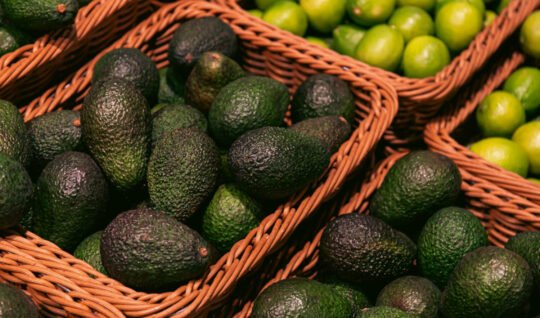
First, consider the color. A dark green to nearly black hue typically indicates that the avocado is ripe and ready for immediate consumption. Those with a lighter, vibrant green color, on the other hand, need a few days to ripen. It is pivotal to note, however, that some varieties such as the Fuerte remain green even at full ripeness, necessitating an additional check through texture and firmness.
The texture of the avocado skin also plays a significant role in assessing its ripeness. Generally, a bumpy and rough skin correlates with a Hass avocado, widely known for its creamy flesh and rich flavor. Conversely, a smoother skin may align with other varieties such as the Bacon or Reed avocados. Both types need to be evaluated by their firmness for an accurate ripeness check.
Firmness is perhaps the most reliable indicator of ripeness. Hold an avocado gently in your hand and apply slight pressure. If the avocado yields slightly and retains an imprint, it is ripe and ready for use. A very soft avocado, yielding considerably to gentle pressure, might be overripe and should be consumed promptly or avoided if mushy. Finally, avocados that are firm and unyielding to pressure signify that they need more time to reach ripeness, making them ideal if you do not intend to use them immediately.
Understanding these stages will assist you in planning when to enjoy your avocados. Selecting a variety of slightly unripe and ripe avocados during your shopping trip ensures that you have some ready to eat immediately, while others ripen gradually over the week, enhancing meal preparation flexibility.
Proper Storage Techniques
Storing avocados correctly depends significantly on their state of ripeness. For ripe avocados, it is best to keep them in the refrigerator. The chilled environment slows down the aging process, allowing the avocados to stay fresh for a longer time. Typically, ripe avocados can last for up to three days when stored in the refrigerator. Ensure they are placed in the crisper drawer or a designated fruit section to maintain optimal conditions.
If you have green avocados, they require a different approach. To ripen unripe avocados, keep them at room temperature. You can place them in a brown paper bag along with an apple or banana. The ethylene gas produced by these fruits hastens the ripening process, reducing the time required to just two to three days. Once the avocados start to yield to gentle pressure, they are ripe and should be moved to the refrigerator if not consumed immediately.
When it comes to storing cut avocados, preventing browning is crucial. Browning occurs due to oxidation, which can be mitigated by several techniques. Applying lemon or lime juice to the exposed flesh creates a protective barrier due to the citric acid. Wrapping the avocado tightly in plastic wrap or storing it in an airtight container can further reduce exposure to air. Additionally, keeping the avocado with its pit intact also helps slow down the browning process. Some people also recommend brushing the exposed flesh with olive oil as an alternative to citrus juice.
Incorporating these methods for storing avocados ensures they maintain their freshness and quality. Whether you are dealing with ripe, unripe, or cut avocados, the correct storage techniques will help extend their shelf life and allow you to enjoy them at their best.
Freezing Avocados for Later Use
Freezing avocados is an excellent way to extend their shelf life and ensure you always have this nutritious fruit on hand. To begin, start by selecting ripe avocados. A ripe avocado yields slightly to gentle pressure and has a rich, creamy texture. Before freezing, make sure to wash the avocados thoroughly to remove any dirt or residues.
Next, cut the avocados in half and remove the pits. Scoop out the flesh using a spoon and place it in a bowl. To prevent browning, which is a common issue when avocados are exposed to air, it is advisable to add a small amount of lemon or lime juice—about one tablespoon per avocado should suffice. The citrus juice helps to maintain the vibrant green color of the avocado and preserves its fresh taste.
Once you’ve prepped the avocado, you have a few options for freezing. If you prefer to store the avocado in halves, place the halves on a baking sheet lined with parchment paper and freeze until solid. After they are frozen, transfer them to a zip-lock bag or an airtight container. For those who prefer a more versatile option, mashing the avocados before freezing can be advantageous. Store the mashed avocado in a resealable bag, making sure to remove as much air as possible.
When choosing containers, opt for freezer-safe bags or airtight containers to minimize air exposure, which can compromise the avocado’s quality. Utilize resealable plastic bags or BPA-free plastic containers, ensuring they are labeled with the current date. Properly stored, frozen avocados can last up to six months without significant loss in quality.
It’s important to note that while freezing avocados can slightly alter their texture, making them softer and ideal for guacamole, dressings, or smoothies, the flavor remains largely intact. Frozen avocados may not be suitable for dishes requiring slices, as thawing can lead to a change in their structure.
By following these steps, you can enjoy avocados year-round, with the convenience of having them ready whenever needed.
Delicious Ways to Enjoy Fresh Avocados
Avocados are more than just a trendy fruit; they are a versatile ingredient that adds flavor and nutrition to a myriad of dishes. One of the classic ways to enjoy fresh avocados is by making guacamole. This dip, typically composed of mashed avocados, lime juice, cilantro, and various spices, can be served with tortilla chips, vegetable sticks, or as a topping for tacos and burritos.
Another popular and simple way to savor avocados is through avocado toast. Spread ripe avocado on whole grain toast and season with salt, pepper, and a squeeze of lemon juice. For added variety, consider topping your toast with fresh tomatoes, radishes, or even a poached egg.
Avocados also make for a delightful addition to salads, providing a creamy texture that contrasts with crisp greens and other vegetables. Try adding sliced avocados to a leafy green salad with cherry tomatoes, cucumbers, and a light vinaigrette. For a more substantial meal, incorporate avocados into a Cobb salad alongside grilled chicken, bacon, hard-boiled eggs, and blue cheese.
For smoothie enthusiasts, avocados can be blended into drinks to create a creamy, nutrient-dense beverage. Combine ripe avocado with fruits like banana and berries, along with spinach, a splash of almond milk, and a touch of honey for a delicious and healthful smoothie.
Beyond these classic dishes, avocados can be used in a variety of innovative ways. They can be incorporated into baked goods like brownies for added moisture, or used to make a rich and creamy avocado-based pasta sauce. Pairing avocados with different foods, such as incorporating slices into sandwiches or wraps, enhances their natural flavor and brings out their best qualities.
These easy-to-follow recipes and serving ideas highlight the versatility of avocados, making it simple to enjoy this delicious fruit in countless ways. Whether for breakfast, lunch, dinner, or a quick snack, avocados can elevate your meals and offer a nutritious boost.
Incorporating Avocados into Your Daily Diet
Avocados are a versatile and nutrient-dense food that can seamlessly fit into various meals, making them an ideal addition to a balanced diet. Their creamy texture and rich flavor offer countless culinary possibilities, whether you’re looking for a hearty breakfast, a wholesome lunch, a filling dinner, or a satisfying snack.
For breakfast, consider adding mashed avocado on whole grain toast, topped with a poached egg and a sprinkle of sea salt and pepper. This takes mere minutes to prepare and provides a great start to your day, offering a balanced mix of healthy fats, fiber, and protein. Another excellent option is blending avocado into your morning smoothie. Its creamy consistency enhances the texture while contributing beneficial nutrients like potassium and vitamin E.
When planning for lunch, an avocado salad can be a quick and nutritious choice. Combine diced avocados with leafy greens, cherry tomatoes, cucumbers, and a lean protein source, such as grilled chicken or chickpeas. Drizzle with a light vinaigrette to tie the flavors together without overwhelming the natural taste of the vegetables. Avocados can also be a delightful addition to sandwiches and wraps, providing a creamy alternative to traditional spreads like mayonnaise.
For dinner, incorporating avocados into grain bowls, tacos, and sushi rolls can elevate the meal’s nutritional profile. Avocado slices make a wonderful garnish for chili and soups, adding both texture and flavor. You can also venture into creating avocado-based pasta sauces, combining mashed avocado with ingredients like lemon juice, garlic, and olive oil for a healthier substitute to creamy sauces.
As a snack, avocados can be enjoyed in various ways—whether it’s a simple slice with a dash of lime juice, incorporated into guacamole with whole-grain crackers, or blended into a rich, satisfying avocado dip. Portion control is key; while avocados are nutritious, they are calorie-dense. A general guideline is to consume about one-third of an avocado per serving to keep your calorie intake in check while still reaping the benefits.
Incorporating avocados into your diet not only enhances meal variety but also supports overall health. Their high content of heart-healthy monounsaturated fats, vitamins, and minerals bolster a balanced diet, aiding in everything from improved digestion to reducing the risk of chronic diseases. By following these tips, you can effortlessly make avocados a regular feature in your everyday meals, ensuring both enjoyment and nutritional adequacy.
Health Benefits of Avocados
Avocados, often lauded as a superfood, offer an array of health benefits that are backed by both scientific research and expert opinions. One of the most notable advantages of consuming avocados is their positive impact on heart health. Rich in monounsaturated fats, avocados help to lower bad cholesterol levels while raising good cholesterol. The American Heart Association has highlighted avocados as a heart-healthy food due to their ability to reduce the risk of cardiovascular diseases.
Beyond cardiovascular benefits, avocados can play a significant role in weight management. These fruits are dense in nutrients but relatively low in calories, making them a satisfying food that can help control appetite. A study published in the Nutrition Journal found that people who included avocados in their meals felt more satiated and less inclined to overeat in subsequent hours.
Avocados also boast skin care benefits. Packed with vitamins E and C, two essential nutrients for maintaining skin health, they help to protect against oxidative damage and support collagen formation. A published paper in the Journal of Dermatological Science underscores the antioxidant properties of these vitamins in mitigating skin aging and enhancing skin health.
Several myths surround avocados, often leading to misconceptions about their health benefits. One common myth is that avocados are fattening. While they are indeed high in fats, these are heart-healthy fats essential for maintaining overall health. It’s important to discern that not all fats contribute to weight gain, and the fats in avocados can actually support weight loss when consumed in moderation. Another misconception is that avocados have no significant protein content; however, a single avocado contains up to 3 grams of protein, providing essential amino acids.
To sum up, the health benefits of avocados extend far beyond satisfying the taste buds. From promoting heart health and aiding in weight management to enhancing skin care, the scientific community continues to uncover the myriad ways in which avocados contribute to our overall well-being.
Conclusion: Making Avocados a Lifestyle
The journey through the world of avocados has highlighted their numerous benefits and the simple methods to maximize their freshness and flavor. Incorporating avocados into your daily diet not only elevates the taste of your meals but also enhances your overall nutritional intake, thanks to their rich content of healthy fats, vitamins, and minerals.
We have explored various strategies for avocado storage, from ripening techniques such as using brown bags to slow down or accelerate the process, ensuring you enjoy them at their peak. Additionally, we discussed efficient methods to store avocados, like refrigerating ripe ones to extend their usability and keeping cut avocados fresh with citrus or proper wrapping to prevent oxidation. Each step ensures that your avocados remain a healthy, delicious part of your diet.
Experimenting with avocados in culinary creations invites an array of new flavors and textures into your kitchen. Whether you’re blending them into smoothies, spreading them on toast, or crafting exquisite guacamole, the versatility of avocados opens the door to endless possibilities. Embrace the challenge of trying new recipes and storage techniques, enhancing both your culinary skills and appreciation for this remarkable fruit.
We encourage you to share your tips and favorite avocado recipes with our community. Your insights could inspire others to explore new ways to store, prepare, and enjoy avocados, fostering a shared passion for this nutritious and versatile ingredient.
In conclusion, making avocados a staple in your lifestyle not only boosts your health but also offers delightful culinary experiences. Let’s continue to learn, experiment, and celebrate the many wonderful facets of avocados together.
Introduction to Kanga Fruits
Kanga Fruits stands as a premier supplier of fresh, high-quality fruits sourced directly from the fertile lands of Kenya. With a mission to bridge the gap between Kenyan farmers and global consumers, Kanga Fruits is committed to delivering superior produce that retains its nutritional value and delightful taste. Our dedication to freshness is paramount, with intricate logistics ensuring that every piece of fruit reaches the consumer in optimal condition.
Our product range is vast, encompassing a variety of fruits that showcase the richness of Kenyan soil. Among these, Kenyan avocados hold a special place due to their rich texture, flavor, and high demand in international markets. Moreover, other offerings include sweet mangoes, ripe pineapples, and succulent passion fruits, all celebrated for their exceptional quality and freshness.
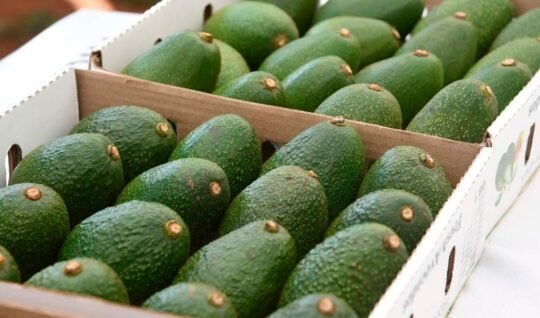
Kanga Fruits employs rigorous quality control measures from harvest to delivery. This unwavering attention to detail ensures that whether it is by air shipment for avocados or sea shipment for avocados, each fruit arrives as fresh as the moment it was picked. This meticulous approach not only supports the health and satisfaction of consumers across the globe but also enables Kenyan farmers to reach new, expansive markets.
Moreover, Kanga Fruits is committed to sustainability and ethical farming practices, benefiting both the environment and local communities. By fostering transparent partnerships with farmers, we ensure that our fruits are grown using practices that promote soil health, conserve water, and reduce the carbon footprint.
Ultimately, Kanga Fruits is more than a fruit supplier. It is a conduit for delivering the very best of African avocados and other exquisite fruits to your table, ensuring freshness, flavor, and health in every bite.
The Origin: Kenyan Agriculture and Its Bounty
Kenya stands as a prominent player in the global agricultural landscape, largely due to its diverse climatic conditions and fertile soil profiles. These favorable conditions enable the cultivation of an extensive array of fruits, making Kenyan produce highly sought after in global markets. The country benefits from varying altitudes and microclimates, offering unique growing environments that contribute to the quality and consistency of the fruits produced.
One of the key highlights of Kenyan agriculture is its rich volcanic soil, which is highly fertile and packed with essential nutrients. This soil type is especially conducive to growing fruits such as avocados, mangos, and passion fruits, which thrive in nutrient-dense environments. Additionally, the country’s equatorial climate ensures that there’s consistent sunlight throughout the year, further enhancing the growth cycles of these fruits.
The expertise of local farmers also plays a crucial role in the agricultural success of Kenya. Many farmers employ traditional farming methods passed down through generations, which are now being combined with modern agricultural practices. This blend of knowledge ensures that Kenyan fruits, particularly the highly coveted Kenyan avocados, are not only abundant but also of exceptional quality. The skillset of these farmers, along with rigorous quality control measures, ensures that African avocados meet international standards and preferences.
Furthermore, the Kenyan government and various agricultural bodies have instituted several initiatives aimed at supporting the agricultural sector. These initiatives include the provision of better farming equipment, access to high-quality seeds, and comprehensive training programs on sustainable farming practices. Such measures have significantly enhanced the productivity and quality of Kenyan fruits, thereby reinforcing the country’s position in the global market.
Sustainable Farming Practices
Kanga Fruits has committed to sustainable farming practices that not only ensure the highest quality of Kenyan avocados but also safeguard our environment for future generations. One of the cornerstone techniques employed by Kanga Fruits is organic farming. By avoiding the use of synthetic fertilizers and pesticides, we maintain the natural balance of our ecosystems and produce healthier, more nutrient-rich African avocados. Our reliance on organic farming not only benefits the consumers but also fosters biodiversity and enhances soil fertility, preserving the land’s productivity for years to come.
Eco-friendly pest control is another critical aspect of our farming practices. Kanga Fruits employs integrated pest management (IPM) strategies that minimize harm to beneficial insects and reduce reliance on chemical treatments. Through the use of biological controls such as natural predators and pheromone traps, we effectively manage pest populations while maintaining ecological balance. This approach aligns with our commitment to sustainability and ensures that our Kenyan avocados are both safe and environmentally friendly.
Water conservation is paramount in our farming operations, given the importance of this vital resource. Kanga Fruits implements efficient irrigation systems, such as drip irrigation, which significantly reduce water usage by delivering water directly to the plant roots. This method not only conserves water but also promotes healthier plant growth by preventing overwatering and reducing soil erosion. Our water conservation practices are designed to adapt to varying climatic conditions, ensuring the availability of fresh avocados even during periods of drought.
Maintaining soil health is essential for the long-term viability of our farming practices. Kanga Fruits employs crop rotation and cover cropping to enhance soil structure, prevent erosion, and replenish essential nutrients. By diversifying the crops grown on our lands, we reduce pest and disease cycles and enhance the resilience of our farming ecosystem. Additionally, the use of organic compost and green manures enriches the soil, fostering robust, disease-resistant avocado trees that yield high-quality produce.
Our comprehensive approach to sustainable farming substantially reduces our carbon footprint. Practices such as minimal tillage, use of renewable energy sources, and efficient logistics in both air shipment for avocados and sea shipment for avocados contribute to lowering greenhouse gas emissions. Kanga Fruits is committed to continuously innovating and adopting green technologies to further minimize the environmental impact of delivering the freshest Kenyan avocados to markets worldwide.
The Logistics: From Farm to Global Consumer
Kanga Fruits employs a meticulously coordinated logistics chain to ensure that their Kenyan avocados reach global consumers in peak condition. The process begins with careful harvesting at Kenyan farms. These farms are backed by thorough quality control measures to ensure that only the finest avocados make it to the next stage. Harvesting is strategically timed to maximize ripeness while still allowing for safe transportation over long distances.
Once harvested, the avocados are sent to specialized packaging facilities. Here, the fruits undergo stringent quality checks before being sorted and packaged in a manner designed to minimize damage and preserve freshness. The packaging materials are state-of-the-art, incorporating innovations like modified atmosphere packaging that helps extend shelf life by controlling the internal environment around the fruit.
Transportation is a crucial element in the logistics chain. Kanga Fruits utilizes both air shipment and sea shipment methods to deliver their avocados globally. Air shipment for avocados is used when rapid delivery is essential to meet tight deadlines, ensuring that the fruits remain fresh upon arrival. On the other hand, sea shipment for avocados is employed for bulk transportation, using refrigerated containers to maintain optimum temperature and humidity levels throughout the journey.
The entire logistics process, from the farm in Africa to the global consumer’s table, is streamlined to take the least amount of time possible. Despite being halfway across the world, Kenyan avocados can reach consumers in major global markets within just a few days when air freight is utilized. Even with sea freight, transit times are kept as short as feasible, often taking no more than a few weeks.
By merging robust agricultural practices with advanced transportation technologies, Kanga Fruits ensures that African avocados remain as fresh upon arrival as they were at the moment of harvest, solidifying their reputation as a premier exporter in the global market.
Maintaining Quality and Freshness
Kanga Fruits employs stringent quality control measures to ensure that each shipment of Kenyan avocados meets the highest standards of freshness, taste, and safety. From the moment the avocados are harvested, they undergo a series of rigorous tests designed to monitor and maintain their optimal condition. These processes begin at the farm level, where experienced agronomists assess the maturity and quality of the fruit before it is carefully picked by trained personnel to prevent bruising and damage.
Once harvested, the avocados are transported to state-of-the-art packing facilities where they undergo further inspection. Here, cutting-edge technology plays a pivotal role in maintaining quality. Advanced sorting machines equipped with imaging sensors evaluate the external and internal attributes of the avocados, ensuring only the best fruit proceeds along the supply chain. Additionally, these facilities are equipped with cold storage units that maintain ideal temperature and humidity levels, preserving the avocados’ freshness until they are ready for shipment.
Kanga Fruits leverages both sea shipment for avocados and air shipment for avocados according to the needs and constraints of various markets. Sea shipment is primarily utilized for large volumes, benefiting from controlled atmosphere containers that regulate oxygen and carbon dioxide levels to extend the shelf life of the avocados. For markets requiring expedited delivery, air shipment is implemented to ensure the avocados reach their destination with minimal transit time, maintaining peak freshness.
Technological advancements in tracking systems are integral to Kanga Fruits’ operations, providing real-time monitoring of the storage conditions throughout the transit period. This includes the use of GPS-enabled temperature loggers and humidity sensors, which continuously transmit data to centralized management systems. By analyzing this data, Kanga Fruits ensures that any potential deviations from the optimal storage conditions are promptly addressed, thereby safeguarding the quality of the avocados until they arrive at the consumer’s doorstep.
Market Reach and Target Audience
Kanga Fruits has strategically positioned itself to tap into a broad spectrum of global markets, ensuring that its premium produce, such as Kenyan avocados, reaches consumers around the world. The company’s market reach spans multiple continents including North America, Europe, Asia, and the Middle East, leveraging both air shipment for avocados and sea shipment for avocados to maintain the highest standards of freshness and quality throughout the supply chain.
Targeting discerning consumers who have a penchant for exotic fruits, Kanga Fruits has cultivated a loyal customer base. These consumers are typically health-conscious individuals, culinary enthusiasts, and food industry professionals who value the nutritional benefits and unique flavors of African avocados. The demand for such high-quality produce extends to restaurants, specialized grocery stores, and even e-commerce platforms dedicated to delivering fresh produce directly to consumer homes.
Market trends indicate a growing appreciation for exotic fruits, fueled by increased awareness of their health benefits and superior taste profiles. The shift towards natural, healthy eating options has buoyed the popularity of Kenyan avocados, which are renowned for their rich, creamy texture and high nutrient content. Additionally, customer feedback underscores the importance of freshness, influencing Kanga Fruits’ commitment to optimized logistics and expeditious transport methods.
In the European market, for example, there is a notable demand for sustainably sourced and ethically traded produce. Kanga Fruits meets these expectations by adhering to stringent agricultural practices and maintaining transparency about its sourcing methods. Similarly, in North America, there is an increasing preference for organic and non-GMO fruits, allowing Kanga Fruits to capitalize on this niche market by offering certified organic Kenyan avocados.
Through effective utilization of both air and sea shipment options, Kanga Fruits ensures that the unique flavors and health benefits of African avocados are accessible to a worldwide audience. This global outreach not only enhances the company’s brand presence but also contributes significantly to fulfilling the rising consumer demand for fresh, exotic produce.
The Economic Impact on Kenyan Farmers
Kanga Fruits has profoundly transformed the economic landscape for numerous Kenyan farmers. With a focus on the global demand for African avocados, primarily via air and sea shipment channels, the company’s outreach has facilitated a sustainable income source for many local producers. The constant demand ensures that Kenyan farmers have a reliable market for their produce, which invariably improves their standard of living and contributes positively to the local economy.
One compelling story comes from Nyakio, a smallholder avocado farmer from Murang’a County. Before partnering with Kanga Fruits, Nyakio struggled to find a consistent market for her yield, often facing the risk of spoilage. Today, she highlights how her collaboration with Kanga Fruits ensures her avocados reach international markets quickly and efficiently, be it through air shipment for avocados needing a swift delivery or sea shipment for larger volumes. This partnership has doubled her income, allowing her to invest in better farming equipment and education for her children.
Moreover, Kanga Fruits undertakes multiple community support initiatives aimed at long-term growth. They provide essential training in sustainable farming practices, ensuring that Kenyan avocados meet global standards for quality and sustainability. This training helps farmers optimize yield, manage resources effectively, and ultimately produce high-quality avocados efficiently.
Other testimonials narrate similar impacts. Josphat, another farmer, speaks about the security and financial stability brought about by his dealings with Kanga Fruits. The consistent demand for sea shipment for avocados has enabled him to expand his farm, hire additional labor, and contribute to the local economy by creating job opportunities.
In addition to individual benefits, the collective upliftment in the community is noteworthy. With the influx of steady income, local businesses, schools, and public services have seen appreciable improvements, creating a ripple effect of economic progress. By facilitating global markets for Kenyan avocados, Kanga Fruits exemplifies a successful model of how commercial ventures can positively impact local farmers and communities.
Future Prospects and Innovations
Kanga Fruits stands at the cusp of several transformative advancements poised to shape the future landscape of its operations. Among the most promising developments is the introduction of new product lines, geared towards appealing to a broader array of consumer preferences. These upcoming products are envisioned to not only diversify Kanga Fruits’ offerings but also to solidify its reputation as a purveyor of premium African avocados and other exotic produce.
Market expansion remains a focal point. With a strategic blueprint in place, Kanga Fruits is set to penetrate untapped international markets, broadening the scope of its global footprint. This expansion is buttressed by a meticulous assessment of market dynamics and consumer demand, ensuring that the quality of Kenyan avocados continues to meet and exceed global standards. By embracing a model that includes both air shipment for avocados and sea shipment for avocados, Kanga Fruits optimizes the delivery speed and freshness of its produce, thus maintaining its competitive edge.
In terms of farming and agricultural innovations, Kanga Fruits is committed to sustainable practices that enhance productivity while conserving resources. Cutting-edge techniques such as precision farming and advanced irrigation systems are being integrated to boost the yield and quality of crops. These innovations not only promise higher efficiency but also align with Kanga Fruits’ ethos of environmental stewardship.
Logistics, too, is poised for a revolution. The company is exploring partnerships with leading technology firms to develop smart logistics solutions. These ventures aim to streamline supply chain management, reduce transit times, and ensure the seamless delivery of fresh Kenyan avocados to global markets. Innovations like real-time tracking and cold-chain logistics play a crucial role in sustaining the freshness and nutritional value of the produce throughout its journey.
Overall, Kanga Fruits’ future prospects and innovations underscore its unwavering commitment to delivering fresh, sustainable fruits while continuously evolving to meet the demands of an ever-changing global market.
Latest News
eFarm Blog
Latest News
eFarm Blog
Latest News
eFarm Blog

Introduction to the Global Avocado Market
The global avocado market has witnessed substantial growth over the past decade, driven by the fruit’s rising popularity among health-conscious consumers and culinary enthusiasts. Often hailed as a superfood, avocados are renowned for their rich nutritional profile, offering an abundance of vitamins, healthy fats, and antioxidants. This nutritional appeal, combined with the fruit’s versatility in various culinary applications—from salads and sandwiches to smoothies and guacamole—has propelled avocados to the forefront of global food trends.
The primary producers of avocados include Mexico, which accounts for nearly half of the world’s production, along with other significant contributors such as Peru, California, and Kenya. These regions benefit from favorable climatic conditions, allowing them to cultivate high-quality avocados to meet the burgeoning demand. The supply and demand dynamics of avocados have seen notable shifts, influenced by factors such as climate change, trade policies, and evolving consumer preferences. For instance, adverse weather conditions in major producing countries have sometimes led to supply shortages, causing fluctuations in market prices.
Kanga Fruits has emerged as a relevant player within this thriving market. The company has capitalized on the growing demand for avocados by sourcing and distributing premium-quality fruits to a global audience. Through sustainable farming practices and robust supply chain management, Kanga Fruits ensures that their avocados not only meet but exceed market expectations in terms of taste, quality, and nutritional value. As the demand for nutritious and versatile food options continues to rise, the global avocado market is poised for further expansion, presenting opportunities and challenges for producers, distributors, and consumers alike.
Current Trends in Avocado Consumption
In recent years, avocado consumption has seen a significant rise worldwide, propelled by a diverse array of trends that emphasize health-conscious eating, the rise of plant-based diets, and the popularity of innovative food recipes. Avocados, rich in essential nutrients like healthy fats, vitamins, and minerals, have become a staple in the diets of those seeking nutritious and wholesome food options.
Globally, the shift towards healthier eating habits has significantly contributed to the increased demand for avocados. Consumers are increasingly aware of the health benefits associated with avocados, such as their ability to help maintain cardiovascular health and support weight management. This growing health awareness is particularly notable in North America and Europe, where the pursuit of balanced diets has driven the surge in avocado consumption.
Plant-based diets, advocating the consumption of fruits, vegetables, legumes, and whole grains, have also markedly boosted the popularity of avocados. As more individuals opt for vegan or vegetarian lifestyles, avocados offer a versatile and nutrient-packed ingredient. Their creamy texture and rich taste make them a popular substitute in dishes that traditionally rely on animal products, thus aiding in the promotion of sustainable food sources.
The culinary versatility of avocados has spawned a myriad of recipes ranging from simple avocado toast to more elaborate dishes like avocado sushi or even smoothies. This versatility caters to diverse palates and dietary preferences across various regions. For instance, in regions such as Latin America, avocados have long been ingrained in traditional cuisines, whereas in Asia, novel uses of avocados have been rapidly emerging.
Social media platforms and food influencers play a pivotal role in escalating the global obsession with avocados. Platforms like Instagram and TikTok are replete with visually appealing avocado recipes that inspire millions of followers to incorporate the fruit into their meals. Influencers frequently highlight the fruit’s health benefits, its gastronomic versatility, and provide creative culinary inspiration that resonates globally.
Concisely, the current trends driving avocado consumption are multifaceted, spanning health consciousness, plant-based dietary preferences, and culinary innovation. With the continued influence of social media and the growing global inclination toward healthier eating practices, avocados are likely to maintain their prominent status in global markets.
Major Avocado Markets
The global avocado market is marked by distinctive regional characteristics and consumer behaviors. Among the foremost markets, the United States stands out as the largest consumer of avocados. The popularity of avocados in the U.S. has been steadily growing, driven by the rise of health consciousness and the fruit’s promotion as a superfood. Import data reveals that Mexico is the primary supplier, accounting for over 80% of the avocados imported into the U.S. market. Despite import tariffs, the demand remains robust, with local production in states like California and Florida supplementing the supply.
In Europe, avocados have seen a significant uptick in consumption, particularly in countries like the Netherlands, Spain, and France. The European market is characterized by a preference for ready-to-eat, ripened avocados, and the local production, predominantly in Spain, coupled with imports from Peru, Chile, and South Africa, caters to the growing demand. Tariff regulations within the European Union generally facilitate smoother trade, fostering a conducive environment for avocado importers and producers alike.
Asia represents a rapidly evolving market with immense growth potential. In countries such as Japan and South Korea, awareness and consumption of avocados have increased substantially. However, it is in emerging markets like China and India where the future growth prospects are most promising. Both countries have large, increasingly health-conscious populations that are quickly developing a taste for avocados. The import statistics indicate a rising trend, though high tariffs and lack of domestic production in these countries present challenges that industry stakeholders continue to navigate.
Lastly, Latin America, although a leading producer, emerging markets like Brazil are witnessing growth in domestic consumption as well. The interplay of local production capacity and export demands shapes the dynamics in these regions.
Challenges in the Avocado Supply Chain
The supply chain for avocados faces a myriad of challenges that influence both the availability and pricing of this popular fruit. One primary issue is the impact of climate change, which affects growing conditions in key avocado-producing regions. Unpredictable weather patterns, prolonged droughts, and extreme temperatures can devastate crops, leading to reduced yields and supply inconsistencies. Such environmental fluctuations often result in higher prices for consumers due to the imbalance between supply and demand.
Disease management presents another significant challenge. Avocado farmers contend with diseases like laurel wilt and avocado root rot, both of which can severely affect crop health and productivity. These diseases require vigilant monitoring and significant investments in advanced agricultural practices and treatments. Preventing the spread of these diseases is crucial for maintaining a stable supply chain.
Transportation logistics also play a critical role in the avocado supply chain. Avocados must be transported under specific conditions to ensure they remain fresh upon arrival at their destination. Cold chain logistics, efficient packing, and timely transportation are all essential. However, disruptions in any part of this logistical chain, whether due to infrastructure issues, labor strikes, or geopolitical tensions, can lead to delays and spoilage, impacting the overall supply and inflating prices.
Sustainability concerns are increasingly becoming a priority within the avocado industry. Practices such as deforestation, excessive water usage, and non-sustainable farming methods have raised alarms among environmentalists and consumers alike. Consequently, there is a growing demand for more sustainable approaches to avocado cultivation and distribution. Companies like Kanga Fruits are leading the way by investing in innovative farming techniques, advocating for fair labor practices, and forming strategic partnerships that prioritize environmental responsibility.
By addressing these challenges head-on through technological advancements, collaborations, and a commitment to sustainability, stakeholders in the avocado supply chain, including Kanga Fruits, are working towards ensuring a more stable and responsible supply of avocados in the global market. This not only helps in maintaining reasonable prices but also contributes positively to environmental and social standards.
Economic Impact of Avocado Trade
The avocado trade has emerged as a significant economic driver for both producing and importing countries, contributing substantially to local economies. This dynamic sector supports numerous local economies by generating revenue and fostering employment opportunities. In producing regions, avocados have become a lucrative cash crop, resulting in improved living standards and economic development.
Smallholder farmers, who often represent a significant portion of avocado producers, benefit significantly from the trade. By engaging in avocado farming, these farmers can diversify their income sources, enhance food security, and elevate their standard of living. The presence of large-scale operations further amplifies this economic impact by creating more substantial employment opportunities and enabling infrastructural development in rural areas.
In the import markets, avocados contribute to economic activity through the supply chain involving wholesalers, retailers, and allied industries. The high demand for avocados in markets such as the United States, Europe, and Asia drives growth in logistics, trade services, and retail sectors, thus positively influencing the global and local economies alike.
Companies like Kanga Fruits play a pivotal role in enhancing the economic benefits of the avocado trade. Through ethical sourcing practices, Kanga Fruits ensures that smallholder farmers receive fair compensation for their produce, advocating sustainable agricultural practices that guarantee long-term economic viability. Ethical sourcing also helps in maintaining biodiversity, improving farmers’ quality of life, and strengthening local economies through stable and fair trade relationships.
Moreover, large-scale operations can implement advanced agricultural techniques and infrastructure, boosting productivity and ensuring higher quality produce. This integration of modern technology with traditional farming practices helps in conserving resources, increasing yield efficiency, and reducing environmental impact. Such practices exemplify the balance of economic growth with social and environmental responsibility, fostering a sustainable avocado trade ecosystem.
Consumer Preferences and Marketing Strategies
In recent years, consumer preferences for avocados have significantly evolved, reflecting broader trends towards healthier living and greater environmental consciousness. A notable shift has been the increasing demand for organic avocados, driven by a growing segment of health-focused individuals who prioritize pesticide-free and naturally cultivated produce. Additionally, sustainably sourced avocados are gaining popularity as eco-conscious consumers seek products that align with their values of environmental stewardship and social responsibility. This demographic is particularly attentive to the ethical implications of their consumption choices, favoring brands that demonstrate a commitment to fair trade practices and minimized environmental impact.
Marketing strategies in the avocado industry must adapt to these changing preferences to effectively capture and retain consumer interest. Customized marketing tactics tailored to distinct consumer segments have proven invaluable. Brands often employ digital marketing campaigns that highlight the nutritional benefits and versatile uses of avocados, leveraging influencers and social media platforms to reach health enthusiasts and food lovers. Transparently communicating sustainability efforts through packaging and storytelling further resonates with eco-aware shoppers, enhancing brand credibility and loyalty.
Kanga Fruits has adeptly navigated these dynamics to solidify its market presence and foster strong brand loyalty. By offering a diverse range of avocados, including organic and sustainably sourced options, Kanga Fruits caters to the nuanced demands of modern consumers. Their marketing campaigns effectively utilize social media influencers to showcase creative avocado recipes and health benefits, thereby expanding their reach among younger demographics who are keen on exploring trendy and nutritious food options. Furthermore, Kanga Fruits emphasizes its commitment to sustainability by adopting eco-friendly packaging and promoting their fair trade practices, which reinforces consumer trust and satisfaction. Through these strategic efforts, Kanga Fruits not only meets current market demands but also cultivates a loyal customer base that appreciates their values and quality offerings.
Technological Advancements in Avocado Farming
Recent technological advancements have significantly transformed avocado farming, leading to enhanced productivity, better quality produce, and more sustainable practices. One of the major innovations is precision agriculture, which leverages technologies like satellite imagery, GPS mapping, and soil sensors to optimize farming practices. These tools allow farmers to monitor and manage their fields more efficiently, ensuring that resources like water and fertilizers are used judiciously, thus reducing waste and environmental impact.
Genetic improvements also play a crucial role in modern avocado farming. Through selective breeding and biotechnological methods, researchers have developed avocado varieties that are more resistant to diseases and pests, have longer shelf lives, and yield more fruit. These genetic advancements not only improve the quality and quantity of avocados but also contribute to greater food security and reduced dependency on chemical pesticides.
Sustainable farming practices have gained traction as the global community becomes increasingly aware of environmental conservation. Techniques such as organic farming, permaculture, and agroforestry are being integrated into avocado farms to enhance biodiversity, improve soil health, and reduce carbon footprints. These practices ensure that avocado farming remains viable in the long term, protecting ecosystems and supporting sustainable livelihoods for farmers.
Kanga Fruits, a leading player in the avocado market, has been at the forefront of adopting these innovative technologies. By implementing precision agriculture, investing in genetic research, and committing to sustainable farming practices, Kanga Fruits has managed to increase its yield, improve the quality of its produce, and minimize its environmental impact. This adoption of modern technologies not only solidifies Kanga Fruits’ competitive edge in the market but also aligns with global efforts towards sustainable agriculture.
Kanga Fruits: Positioning and Future Outlook
Kanga Fruits has managed to establish a strong position within the global avocado market through a strategic and comprehensive business model. The company is characterized by its robust supply chain strategies that emphasize efficiency and quality control from cultivation to distribution. By fostering close relationships with local farmers and adopting advanced agricultural practices, Kanga Fruits ensures the highest standards of product quality and consistency, setting itself apart in a competitive market.
One of the cornerstones of Kanga Fruits’ success is its commitment to market expansion. The company has been proactive in exploring new markets and diversifying its distribution channels. This strategy not only increases market share but also mitigates risks associated with regional market fluctuations. Through strategic partnerships and a strong online presence, Kanga Fruits aims to enhance its global reach, catering to an increasingly health-conscious consumer base that is driving the avocado market growth.
Kanga Fruits has also garnered recognition for its achievements in sustainability. The company’s initiatives include implementing eco-friendly farming techniques, reducing carbon footprints, and ensuring fair trade practices. This commitment to sustainability resonates well with modern consumers, who prioritize ethical and environmentally responsible products. As a result, Kanga Fruits maintains a positive brand image and customer loyalty, which are crucial for long-term success.
Looking ahead, Kanga Fruits is poised to adapt to changing market dynamics and consumer preferences. The company is investing in research and development to innovate its product offerings and enhance the nutritional value of its avocados. Additionally, Kanga Fruits plans to leverage data analytics to gain insights into consumer behavior and optimize its supply chain processes further. By staying attuned to market trends and continuously improving its operations, Kanga Fruits is well-positioned to sustain its growth trajectory in the global avocado market.
Introduction to Avocados
Avocados have a long and storied history, originating from Central and South America where they were first cultivated over 7,000 years ago. Today, they have become a beloved staple in many diets around the world, celebrated for their rich, creamy texture and versatile use in a variety of culinary applications. From the classic guacamole to innovative salads, smoothies, and even desserts, avocados lend a unique flavor and texture to numerous dishes.
One of the primary reasons avocados have gained such widespread popularity is their impressive nutritional profile. They are a nutrient-dense fruit packed with essential vitamins, minerals, and other beneficial compounds. Notably, avocados are an excellent source of healthy monounsaturated fats, which are known to support heart health by reducing bad cholesterol levels. This makes them a heart-healthy choice for people looking to maintain a balanced diet.
In addition to healthy fats, avocados provide a substantial amount of dietary fiber, which is crucial for maintaining digestive health and promoting a feeling of fullness that can aid in weight management. Their high fiber content also supports stable blood sugar levels, making avocados an excellent choice for individuals managing diabetes or those seeking to prevent blood sugar spikes.
Avocados are also rich in an array of vitamins and minerals. They are particularly high in vitamins K, E, C, and several B vitamins, including folate. These vitamins play essential roles in various bodily functions, such as blood clotting, skin health, immune support, and energy metabolism. Furthermore, avocados contain important minerals including potassium, which is vital for maintaining proper muscle function and regulating blood pressure.
The combination of these nutritional benefits makes avocados not just a delicious but also a highly beneficial addition to any diet. Understanding their history, versatility, and the wealth of nutrients they offer can help individuals appreciate why avocados have earned their place as a true superfood in modern nutrition.
Selecting the Perfect Avocado
To fully savor the delightful taste and creamy texture of fresh avocados, it is crucial to select the best avocados available at your local store. The ripeness of an avocado can be discerned through careful examination of its color, texture, and firmness.
First, consider the color. A dark green to nearly black hue typically indicates that the avocado is ripe and ready for immediate consumption. Those with a lighter, vibrant green color, on the other hand, need a few days to ripen. It is pivotal to note, however, that some varieties such as the Fuerte remain green even at full ripeness, necessitating an additional check through texture and firmness.
The texture of the avocado skin also plays a significant role in assessing its ripeness. Generally, a bumpy and rough skin correlates with a Hass avocado, widely known for its creamy flesh and rich flavor. Conversely, a smoother skin may align with other varieties such as the Bacon or Reed avocados. Both types need to be evaluated by their firmness for an accurate ripeness check.
Firmness is perhaps the most reliable indicator of ripeness. Hold an avocado gently in your hand and apply slight pressure. If the avocado yields slightly and retains an imprint, it is ripe and ready for use. A very soft avocado, yielding considerably to gentle pressure, might be overripe and should be consumed promptly or avoided if mushy. Finally, avocados that are firm and unyielding to pressure signify that they need more time to reach ripeness, making them ideal if you do not intend to use them immediately.
Understanding these stages will assist you in planning when to enjoy your avocados. Selecting a variety of slightly unripe and ripe avocados during your shopping trip ensures that you have some ready to eat immediately, while others ripen gradually over the week, enhancing meal preparation flexibility.
Proper Storage Techniques
Storing avocados correctly depends significantly on their state of ripeness. For ripe avocados, it is best to keep them in the refrigerator. The chilled environment slows down the aging process, allowing the avocados to stay fresh for a longer time. Typically, ripe avocados can last for up to three days when stored in the refrigerator. Ensure they are placed in the crisper drawer or a designated fruit section to maintain optimal conditions.
If you have green avocados, they require a different approach. To ripen unripe avocados, keep them at room temperature. You can place them in a brown paper bag along with an apple or banana. The ethylene gas produced by these fruits hastens the ripening process, reducing the time required to just two to three days. Once the avocados start to yield to gentle pressure, they are ripe and should be moved to the refrigerator if not consumed immediately.
When it comes to storing cut avocados, preventing browning is crucial. Browning occurs due to oxidation, which can be mitigated by several techniques. Applying lemon or lime juice to the exposed flesh creates a protective barrier due to the citric acid. Wrapping the avocado tightly in plastic wrap or storing it in an airtight container can further reduce exposure to air. Additionally, keeping the avocado with its pit intact also helps slow down the browning process. Some people also recommend brushing the exposed flesh with olive oil as an alternative to citrus juice.
Incorporating these methods for storing avocados ensures they maintain their freshness and quality. Whether you are dealing with ripe, unripe, or cut avocados, the correct storage techniques will help extend their shelf life and allow you to enjoy them at their best.
Freezing Avocados for Later Use
Freezing avocados is an excellent way to extend their shelf life and ensure you always have this nutritious fruit on hand. To begin, start by selecting ripe avocados. A ripe avocado yields slightly to gentle pressure and has a rich, creamy texture. Before freezing, make sure to wash the avocados thoroughly to remove any dirt or residues.
Next, cut the avocados in half and remove the pits. Scoop out the flesh using a spoon and place it in a bowl. To prevent browning, which is a common issue when avocados are exposed to air, it is advisable to add a small amount of lemon or lime juice—about one tablespoon per avocado should suffice. The citrus juice helps to maintain the vibrant green color of the avocado and preserves its fresh taste.
Once you’ve prepped the avocado, you have a few options for freezing. If you prefer to store the avocado in halves, place the halves on a baking sheet lined with parchment paper and freeze until solid. After they are frozen, transfer them to a zip-lock bag or an airtight container. For those who prefer a more versatile option, mashing the avocados before freezing can be advantageous. Store the mashed avocado in a resealable bag, making sure to remove as much air as possible.
When choosing containers, opt for freezer-safe bags or airtight containers to minimize air exposure, which can compromise the avocado’s quality. Utilize resealable plastic bags or BPA-free plastic containers, ensuring they are labeled with the current date. Properly stored, frozen avocados can last up to six months without significant loss in quality.
It’s important to note that while freezing avocados can slightly alter their texture, making them softer and ideal for guacamole, dressings, or smoothies, the flavor remains largely intact. Frozen avocados may not be suitable for dishes requiring slices, as thawing can lead to a change in their structure.
By following these steps, you can enjoy avocados year-round, with the convenience of having them ready whenever needed.
Delicious Ways to Enjoy Fresh Avocados
Avocados are more than just a trendy fruit; they are a versatile ingredient that adds flavor and nutrition to a myriad of dishes. One of the classic ways to enjoy fresh avocados is by making guacamole. This dip, typically composed of mashed avocados, lime juice, cilantro, and various spices, can be served with tortilla chips, vegetable sticks, or as a topping for tacos and burritos.
Another popular and simple way to savor avocados is through avocado toast. Spread ripe avocado on whole grain toast and season with salt, pepper, and a squeeze of lemon juice. For added variety, consider topping your toast with fresh tomatoes, radishes, or even a poached egg.
Avocados also make for a delightful addition to salads, providing a creamy texture that contrasts with crisp greens and other vegetables. Try adding sliced avocados to a leafy green salad with cherry tomatoes, cucumbers, and a light vinaigrette. For a more substantial meal, incorporate avocados into a Cobb salad alongside grilled chicken, bacon, hard-boiled eggs, and blue cheese.
For smoothie enthusiasts, avocados can be blended into drinks to create a creamy, nutrient-dense beverage. Combine ripe avocado with fruits like banana and berries, along with spinach, a splash of almond milk, and a touch of honey for a delicious and healthful smoothie.
Beyond these classic dishes, avocados can be used in a variety of innovative ways. They can be incorporated into baked goods like brownies for added moisture, or used to make a rich and creamy avocado-based pasta sauce. Pairing avocados with different foods, such as incorporating slices into sandwiches or wraps, enhances their natural flavor and brings out their best qualities.
These easy-to-follow recipes and serving ideas highlight the versatility of avocados, making it simple to enjoy this delicious fruit in countless ways. Whether for breakfast, lunch, dinner, or a quick snack, avocados can elevate your meals and offer a nutritious boost.
Incorporating Avocados into Your Daily Diet
Avocados are a versatile and nutrient-dense food that can seamlessly fit into various meals, making them an ideal addition to a balanced diet. Their creamy texture and rich flavor offer countless culinary possibilities, whether you’re looking for a hearty breakfast, a wholesome lunch, a filling dinner, or a satisfying snack.
For breakfast, consider adding mashed avocado on whole grain toast, topped with a poached egg and a sprinkle of sea salt and pepper. This takes mere minutes to prepare and provides a great start to your day, offering a balanced mix of healthy fats, fiber, and protein. Another excellent option is blending avocado into your morning smoothie. Its creamy consistency enhances the texture while contributing beneficial nutrients like potassium and vitamin E.
When planning for lunch, an avocado salad can be a quick and nutritious choice. Combine diced avocados with leafy greens, cherry tomatoes, cucumbers, and a lean protein source, such as grilled chicken or chickpeas. Drizzle with a light vinaigrette to tie the flavors together without overwhelming the natural taste of the vegetables. Avocados can also be a delightful addition to sandwiches and wraps, providing a creamy alternative to traditional spreads like mayonnaise.
For dinner, incorporating avocados into grain bowls, tacos, and sushi rolls can elevate the meal’s nutritional profile. Avocado slices make a wonderful garnish for chili and soups, adding both texture and flavor. You can also venture into creating avocado-based pasta sauces, combining mashed avocado with ingredients like lemon juice, garlic, and olive oil for a healthier substitute to creamy sauces.
As a snack, avocados can be enjoyed in various ways—whether it’s a simple slice with a dash of lime juice, incorporated into guacamole with whole-grain crackers, or blended into a rich, satisfying avocado dip. Portion control is key; while avocados are nutritious, they are calorie-dense. A general guideline is to consume about one-third of an avocado per serving to keep your calorie intake in check while still reaping the benefits.
Incorporating avocados into your diet not only enhances meal variety but also supports overall health. Their high content of heart-healthy monounsaturated fats, vitamins, and minerals bolster a balanced diet, aiding in everything from improved digestion to reducing the risk of chronic diseases. By following these tips, you can effortlessly make avocados a regular feature in your everyday meals, ensuring both enjoyment and nutritional adequacy.
Health Benefits of Avocados
Avocados, often lauded as a superfood, offer an array of health benefits that are backed by both scientific research and expert opinions. One of the most notable advantages of consuming avocados is their positive impact on heart health. Rich in monounsaturated fats, avocados help to lower bad cholesterol levels while raising good cholesterol. The American Heart Association has highlighted avocados as a heart-healthy food due to their ability to reduce the risk of cardiovascular diseases.
Beyond cardiovascular benefits, avocados can play a significant role in weight management. These fruits are dense in nutrients but relatively low in calories, making them a satisfying food that can help control appetite. A study published in the Nutrition Journal found that people who included avocados in their meals felt more satiated and less inclined to overeat in subsequent hours.
Avocados also boast skin care benefits. Packed with vitamins E and C, two essential nutrients for maintaining skin health, they help to protect against oxidative damage and support collagen formation. A published paper in the Journal of Dermatological Science underscores the antioxidant properties of these vitamins in mitigating skin aging and enhancing skin health.
Several myths surround avocados, often leading to misconceptions about their health benefits. One common myth is that avocados are fattening. While they are indeed high in fats, these are heart-healthy fats essential for maintaining overall health. It’s important to discern that not all fats contribute to weight gain, and the fats in avocados can actually support weight loss when consumed in moderation. Another misconception is that avocados have no significant protein content; however, a single avocado contains up to 3 grams of protein, providing essential amino acids.
To sum up, the health benefits of avocados extend far beyond satisfying the taste buds. From promoting heart health and aiding in weight management to enhancing skin care, the scientific community continues to uncover the myriad ways in which avocados contribute to our overall well-being.
Conclusion: Making Avocados a Lifestyle
The journey through the world of avocados has highlighted their numerous benefits and the simple methods to maximize their freshness and flavor. Incorporating avocados into your daily diet not only elevates the taste of your meals but also enhances your overall nutritional intake, thanks to their rich content of healthy fats, vitamins, and minerals.
We have explored various strategies for avocado storage, from ripening techniques such as using brown bags to slow down or accelerate the process, ensuring you enjoy them at their peak. Additionally, we discussed efficient methods to store avocados, like refrigerating ripe ones to extend their usability and keeping cut avocados fresh with citrus or proper wrapping to prevent oxidation. Each step ensures that your avocados remain a healthy, delicious part of your diet.
Experimenting with avocados in culinary creations invites an array of new flavors and textures into your kitchen. Whether you’re blending them into smoothies, spreading them on toast, or crafting exquisite guacamole, the versatility of avocados opens the door to endless possibilities. Embrace the challenge of trying new recipes and storage techniques, enhancing both your culinary skills and appreciation for this remarkable fruit.
We encourage you to share your tips and favorite avocado recipes with our community. Your insights could inspire others to explore new ways to store, prepare, and enjoy avocados, fostering a shared passion for this nutritious and versatile ingredient.
In conclusion, making avocados a staple in your lifestyle not only boosts your health but also offers delightful culinary experiences. Let’s continue to learn, experiment, and celebrate the many wonderful facets of avocados together.
Latest News
eFarm Blog
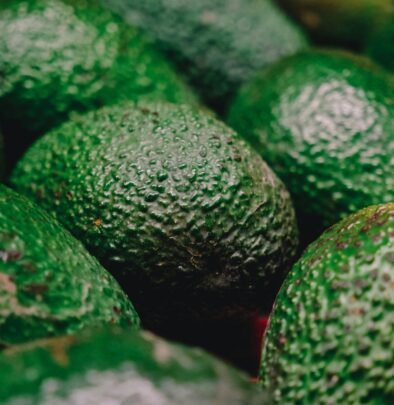
Introduction to the Global Avocado Market
The global avocado market has witnessed substantial growth over the past decade, driven by the fruit’s rising popularity among health-conscious consumers and culinary enthusiasts. Often hailed as a superfood, avocados are renowned for their rich nutritional profile, offering an abundance of vitamins, healthy fats, and antioxidants. This nutritional appeal, combined with the fruit’s versatility in various culinary applications—from salads and sandwiches to smoothies and guacamole—has propelled avocados to the forefront of global food trends.
The primary producers of avocados include Mexico, which accounts for nearly half of the world’s production, along with other significant contributors such as Peru, California, and Kenya. These regions benefit from favorable climatic conditions, allowing them to cultivate high-quality avocados to meet the burgeoning demand. The supply and demand dynamics of avocados have seen notable shifts, influenced by factors such as climate change, trade policies, and evolving consumer preferences. For instance, adverse weather conditions in major producing countries have sometimes led to supply shortages, causing fluctuations in market prices.
Kanga Fruits has emerged as a relevant player within this thriving market. The company has capitalized on the growing demand for avocados by sourcing and distributing premium-quality fruits to a global audience. Through sustainable farming practices and robust supply chain management, Kanga Fruits ensures that their avocados not only meet but exceed market expectations in terms of taste, quality, and nutritional value. As the demand for nutritious and versatile food options continues to rise, the global avocado market is poised for further expansion, presenting opportunities and challenges for producers, distributors, and consumers alike.
Current Trends in Avocado Consumption
In recent years, avocado consumption has seen a significant rise worldwide, propelled by a diverse array of trends that emphasize health-conscious eating, the rise of plant-based diets, and the popularity of innovative food recipes. Avocados, rich in essential nutrients like healthy fats, vitamins, and minerals, have become a staple in the diets of those seeking nutritious and wholesome food options.
Globally, the shift towards healthier eating habits has significantly contributed to the increased demand for avocados. Consumers are increasingly aware of the health benefits associated with avocados, such as their ability to help maintain cardiovascular health and support weight management. This growing health awareness is particularly notable in North America and Europe, where the pursuit of balanced diets has driven the surge in avocado consumption.
Plant-based diets, advocating the consumption of fruits, vegetables, legumes, and whole grains, have also markedly boosted the popularity of avocados. As more individuals opt for vegan or vegetarian lifestyles, avocados offer a versatile and nutrient-packed ingredient. Their creamy texture and rich taste make them a popular substitute in dishes that traditionally rely on animal products, thus aiding in the promotion of sustainable food sources.
The culinary versatility of avocados has spawned a myriad of recipes ranging from simple avocado toast to more elaborate dishes like avocado sushi or even smoothies. This versatility caters to diverse palates and dietary preferences across various regions. For instance, in regions such as Latin America, avocados have long been ingrained in traditional cuisines, whereas in Asia, novel uses of avocados have been rapidly emerging.
Social media platforms and food influencers play a pivotal role in escalating the global obsession with avocados. Platforms like Instagram and TikTok are replete with visually appealing avocado recipes that inspire millions of followers to incorporate the fruit into their meals. Influencers frequently highlight the fruit’s health benefits, its gastronomic versatility, and provide creative culinary inspiration that resonates globally.
Concisely, the current trends driving avocado consumption are multifaceted, spanning health consciousness, plant-based dietary preferences, and culinary innovation. With the continued influence of social media and the growing global inclination toward healthier eating practices, avocados are likely to maintain their prominent status in global markets.
Major Avocado Markets
The global avocado market is marked by distinctive regional characteristics and consumer behaviors. Among the foremost markets, the United States stands out as the largest consumer of avocados. The popularity of avocados in the U.S. has been steadily growing, driven by the rise of health consciousness and the fruit’s promotion as a superfood. Import data reveals that Mexico is the primary supplier, accounting for over 80% of the avocados imported into the U.S. market. Despite import tariffs, the demand remains robust, with local production in states like California and Florida supplementing the supply.
In Europe, avocados have seen a significant uptick in consumption, particularly in countries like the Netherlands, Spain, and France. The European market is characterized by a preference for ready-to-eat, ripened avocados, and the local production, predominantly in Spain, coupled with imports from Peru, Chile, and South Africa, caters to the growing demand. Tariff regulations within the European Union generally facilitate smoother trade, fostering a conducive environment for avocado importers and producers alike.
Asia represents a rapidly evolving market with immense growth potential. In countries such as Japan and South Korea, awareness and consumption of avocados have increased substantially. However, it is in emerging markets like China and India where the future growth prospects are most promising. Both countries have large, increasingly health-conscious populations that are quickly developing a taste for avocados. The import statistics indicate a rising trend, though high tariffs and lack of domestic production in these countries present challenges that industry stakeholders continue to navigate.
Lastly, Latin America, although a leading producer, emerging markets like Brazil are witnessing growth in domestic consumption as well. The interplay of local production capacity and export demands shapes the dynamics in these regions.
Challenges in the Avocado Supply Chain
The supply chain for avocados faces a myriad of challenges that influence both the availability and pricing of this popular fruit. One primary issue is the impact of climate change, which affects growing conditions in key avocado-producing regions. Unpredictable weather patterns, prolonged droughts, and extreme temperatures can devastate crops, leading to reduced yields and supply inconsistencies. Such environmental fluctuations often result in higher prices for consumers due to the imbalance between supply and demand.
Disease management presents another significant challenge. Avocado farmers contend with diseases like laurel wilt and avocado root rot, both of which can severely affect crop health and productivity. These diseases require vigilant monitoring and significant investments in advanced agricultural practices and treatments. Preventing the spread of these diseases is crucial for maintaining a stable supply chain.
Transportation logistics also play a critical role in the avocado supply chain. Avocados must be transported under specific conditions to ensure they remain fresh upon arrival at their destination. Cold chain logistics, efficient packing, and timely transportation are all essential. However, disruptions in any part of this logistical chain, whether due to infrastructure issues, labor strikes, or geopolitical tensions, can lead to delays and spoilage, impacting the overall supply and inflating prices.
Sustainability concerns are increasingly becoming a priority within the avocado industry. Practices such as deforestation, excessive water usage, and non-sustainable farming methods have raised alarms among environmentalists and consumers alike. Consequently, there is a growing demand for more sustainable approaches to avocado cultivation and distribution. Companies like Kanga Fruits are leading the way by investing in innovative farming techniques, advocating for fair labor practices, and forming strategic partnerships that prioritize environmental responsibility.
By addressing these challenges head-on through technological advancements, collaborations, and a commitment to sustainability, stakeholders in the avocado supply chain, including Kanga Fruits, are working towards ensuring a more stable and responsible supply of avocados in the global market. This not only helps in maintaining reasonable prices but also contributes positively to environmental and social standards.
Economic Impact of Avocado Trade
The avocado trade has emerged as a significant economic driver for both producing and importing countries, contributing substantially to local economies. This dynamic sector supports numerous local economies by generating revenue and fostering employment opportunities. In producing regions, avocados have become a lucrative cash crop, resulting in improved living standards and economic development.
Smallholder farmers, who often represent a significant portion of avocado producers, benefit significantly from the trade. By engaging in avocado farming, these farmers can diversify their income sources, enhance food security, and elevate their standard of living. The presence of large-scale operations further amplifies this economic impact by creating more substantial employment opportunities and enabling infrastructural development in rural areas.
In the import markets, avocados contribute to economic activity through the supply chain involving wholesalers, retailers, and allied industries. The high demand for avocados in markets such as the United States, Europe, and Asia drives growth in logistics, trade services, and retail sectors, thus positively influencing the global and local economies alike.
Companies like Kanga Fruits play a pivotal role in enhancing the economic benefits of the avocado trade. Through ethical sourcing practices, Kanga Fruits ensures that smallholder farmers receive fair compensation for their produce, advocating sustainable agricultural practices that guarantee long-term economic viability. Ethical sourcing also helps in maintaining biodiversity, improving farmers’ quality of life, and strengthening local economies through stable and fair trade relationships.
Moreover, large-scale operations can implement advanced agricultural techniques and infrastructure, boosting productivity and ensuring higher quality produce. This integration of modern technology with traditional farming practices helps in conserving resources, increasing yield efficiency, and reducing environmental impact. Such practices exemplify the balance of economic growth with social and environmental responsibility, fostering a sustainable avocado trade ecosystem.
Consumer Preferences and Marketing Strategies
In recent years, consumer preferences for avocados have significantly evolved, reflecting broader trends towards healthier living and greater environmental consciousness. A notable shift has been the increasing demand for organic avocados, driven by a growing segment of health-focused individuals who prioritize pesticide-free and naturally cultivated produce. Additionally, sustainably sourced avocados are gaining popularity as eco-conscious consumers seek products that align with their values of environmental stewardship and social responsibility. This demographic is particularly attentive to the ethical implications of their consumption choices, favoring brands that demonstrate a commitment to fair trade practices and minimized environmental impact.
Marketing strategies in the avocado industry must adapt to these changing preferences to effectively capture and retain consumer interest. Customized marketing tactics tailored to distinct consumer segments have proven invaluable. Brands often employ digital marketing campaigns that highlight the nutritional benefits and versatile uses of avocados, leveraging influencers and social media platforms to reach health enthusiasts and food lovers. Transparently communicating sustainability efforts through packaging and storytelling further resonates with eco-aware shoppers, enhancing brand credibility and loyalty.
Kanga Fruits has adeptly navigated these dynamics to solidify its market presence and foster strong brand loyalty. By offering a diverse range of avocados, including organic and sustainably sourced options, Kanga Fruits caters to the nuanced demands of modern consumers. Their marketing campaigns effectively utilize social media influencers to showcase creative avocado recipes and health benefits, thereby expanding their reach among younger demographics who are keen on exploring trendy and nutritious food options. Furthermore, Kanga Fruits emphasizes its commitment to sustainability by adopting eco-friendly packaging and promoting their fair trade practices, which reinforces consumer trust and satisfaction. Through these strategic efforts, Kanga Fruits not only meets current market demands but also cultivates a loyal customer base that appreciates their values and quality offerings.
Technological Advancements in Avocado Farming
Recent technological advancements have significantly transformed avocado farming, leading to enhanced productivity, better quality produce, and more sustainable practices. One of the major innovations is precision agriculture, which leverages technologies like satellite imagery, GPS mapping, and soil sensors to optimize farming practices. These tools allow farmers to monitor and manage their fields more efficiently, ensuring that resources like water and fertilizers are used judiciously, thus reducing waste and environmental impact.
Genetic improvements also play a crucial role in modern avocado farming. Through selective breeding and biotechnological methods, researchers have developed avocado varieties that are more resistant to diseases and pests, have longer shelf lives, and yield more fruit. These genetic advancements not only improve the quality and quantity of avocados but also contribute to greater food security and reduced dependency on chemical pesticides.
Sustainable farming practices have gained traction as the global community becomes increasingly aware of environmental conservation. Techniques such as organic farming, permaculture, and agroforestry are being integrated into avocado farms to enhance biodiversity, improve soil health, and reduce carbon footprints. These practices ensure that avocado farming remains viable in the long term, protecting ecosystems and supporting sustainable livelihoods for farmers.
Kanga Fruits, a leading player in the avocado market, has been at the forefront of adopting these innovative technologies. By implementing precision agriculture, investing in genetic research, and committing to sustainable farming practices, Kanga Fruits has managed to increase its yield, improve the quality of its produce, and minimize its environmental impact. This adoption of modern technologies not only solidifies Kanga Fruits’ competitive edge in the market but also aligns with global efforts towards sustainable agriculture.
Kanga Fruits: Positioning and Future Outlook
Kanga Fruits has managed to establish a strong position within the global avocado market through a strategic and comprehensive business model. The company is characterized by its robust supply chain strategies that emphasize efficiency and quality control from cultivation to distribution. By fostering close relationships with local farmers and adopting advanced agricultural practices, Kanga Fruits ensures the highest standards of product quality and consistency, setting itself apart in a competitive market.
One of the cornerstones of Kanga Fruits’ success is its commitment to market expansion. The company has been proactive in exploring new markets and diversifying its distribution channels. This strategy not only increases market share but also mitigates risks associated with regional market fluctuations. Through strategic partnerships and a strong online presence, Kanga Fruits aims to enhance its global reach, catering to an increasingly health-conscious consumer base that is driving the avocado market growth.
Kanga Fruits has also garnered recognition for its achievements in sustainability. The company’s initiatives include implementing eco-friendly farming techniques, reducing carbon footprints, and ensuring fair trade practices. This commitment to sustainability resonates well with modern consumers, who prioritize ethical and environmentally responsible products. As a result, Kanga Fruits maintains a positive brand image and customer loyalty, which are crucial for long-term success.
Looking ahead, Kanga Fruits is poised to adapt to changing market dynamics and consumer preferences. The company is investing in research and development to innovate its product offerings and enhance the nutritional value of its avocados. Additionally, Kanga Fruits plans to leverage data analytics to gain insights into consumer behavior and optimize its supply chain processes further. By staying attuned to market trends and continuously improving its operations, Kanga Fruits is well-positioned to sustain its growth trajectory in the global avocado market.
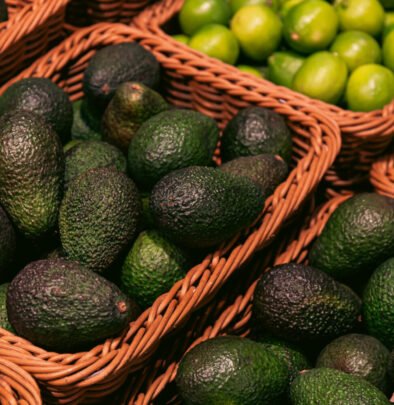
Introduction to Avocados
Avocados have a long and storied history, originating from Central and South America where they were first cultivated over 7,000 years ago. Today, they have become a beloved staple in many diets around the world, celebrated for their rich, creamy texture and versatile use in a variety of culinary applications. From the classic guacamole to innovative salads, smoothies, and even desserts, avocados lend a unique flavor and texture to numerous dishes.
One of the primary reasons avocados have gained such widespread popularity is their impressive nutritional profile. They are a nutrient-dense fruit packed with essential vitamins, minerals, and other beneficial compounds. Notably, avocados are an excellent source of healthy monounsaturated fats, which are known to support heart health by reducing bad cholesterol levels. This makes them a heart-healthy choice for people looking to maintain a balanced diet.
In addition to healthy fats, avocados provide a substantial amount of dietary fiber, which is crucial for maintaining digestive health and promoting a feeling of fullness that can aid in weight management. Their high fiber content also supports stable blood sugar levels, making avocados an excellent choice for individuals managing diabetes or those seeking to prevent blood sugar spikes.
Avocados are also rich in an array of vitamins and minerals. They are particularly high in vitamins K, E, C, and several B vitamins, including folate. These vitamins play essential roles in various bodily functions, such as blood clotting, skin health, immune support, and energy metabolism. Furthermore, avocados contain important minerals including potassium, which is vital for maintaining proper muscle function and regulating blood pressure.
The combination of these nutritional benefits makes avocados not just a delicious but also a highly beneficial addition to any diet. Understanding their history, versatility, and the wealth of nutrients they offer can help individuals appreciate why avocados have earned their place as a true superfood in modern nutrition.
Selecting the Perfect Avocado
To fully savor the delightful taste and creamy texture of fresh avocados, it is crucial to select the best avocados available at your local store. The ripeness of an avocado can be discerned through careful examination of its color, texture, and firmness.
First, consider the color. A dark green to nearly black hue typically indicates that the avocado is ripe and ready for immediate consumption. Those with a lighter, vibrant green color, on the other hand, need a few days to ripen. It is pivotal to note, however, that some varieties such as the Fuerte remain green even at full ripeness, necessitating an additional check through texture and firmness.
The texture of the avocado skin also plays a significant role in assessing its ripeness. Generally, a bumpy and rough skin correlates with a Hass avocado, widely known for its creamy flesh and rich flavor. Conversely, a smoother skin may align with other varieties such as the Bacon or Reed avocados. Both types need to be evaluated by their firmness for an accurate ripeness check.
Firmness is perhaps the most reliable indicator of ripeness. Hold an avocado gently in your hand and apply slight pressure. If the avocado yields slightly and retains an imprint, it is ripe and ready for use. A very soft avocado, yielding considerably to gentle pressure, might be overripe and should be consumed promptly or avoided if mushy. Finally, avocados that are firm and unyielding to pressure signify that they need more time to reach ripeness, making them ideal if you do not intend to use them immediately.
Understanding these stages will assist you in planning when to enjoy your avocados. Selecting a variety of slightly unripe and ripe avocados during your shopping trip ensures that you have some ready to eat immediately, while others ripen gradually over the week, enhancing meal preparation flexibility.
Proper Storage Techniques
Storing avocados correctly depends significantly on their state of ripeness. For ripe avocados, it is best to keep them in the refrigerator. The chilled environment slows down the aging process, allowing the avocados to stay fresh for a longer time. Typically, ripe avocados can last for up to three days when stored in the refrigerator. Ensure they are placed in the crisper drawer or a designated fruit section to maintain optimal conditions.
If you have green avocados, they require a different approach. To ripen unripe avocados, keep them at room temperature. You can place them in a brown paper bag along with an apple or banana. The ethylene gas produced by these fruits hastens the ripening process, reducing the time required to just two to three days. Once the avocados start to yield to gentle pressure, they are ripe and should be moved to the refrigerator if not consumed immediately.
When it comes to storing cut avocados, preventing browning is crucial. Browning occurs due to oxidation, which can be mitigated by several techniques. Applying lemon or lime juice to the exposed flesh creates a protective barrier due to the citric acid. Wrapping the avocado tightly in plastic wrap or storing it in an airtight container can further reduce exposure to air. Additionally, keeping the avocado with its pit intact also helps slow down the browning process. Some people also recommend brushing the exposed flesh with olive oil as an alternative to citrus juice.
Incorporating these methods for storing avocados ensures they maintain their freshness and quality. Whether you are dealing with ripe, unripe, or cut avocados, the correct storage techniques will help extend their shelf life and allow you to enjoy them at their best.
Freezing Avocados for Later Use
Freezing avocados is an excellent way to extend their shelf life and ensure you always have this nutritious fruit on hand. To begin, start by selecting ripe avocados. A ripe avocado yields slightly to gentle pressure and has a rich, creamy texture. Before freezing, make sure to wash the avocados thoroughly to remove any dirt or residues.
Next, cut the avocados in half and remove the pits. Scoop out the flesh using a spoon and place it in a bowl. To prevent browning, which is a common issue when avocados are exposed to air, it is advisable to add a small amount of lemon or lime juice—about one tablespoon per avocado should suffice. The citrus juice helps to maintain the vibrant green color of the avocado and preserves its fresh taste.
Once you’ve prepped the avocado, you have a few options for freezing. If you prefer to store the avocado in halves, place the halves on a baking sheet lined with parchment paper and freeze until solid. After they are frozen, transfer them to a zip-lock bag or an airtight container. For those who prefer a more versatile option, mashing the avocados before freezing can be advantageous. Store the mashed avocado in a resealable bag, making sure to remove as much air as possible.
When choosing containers, opt for freezer-safe bags or airtight containers to minimize air exposure, which can compromise the avocado’s quality. Utilize resealable plastic bags or BPA-free plastic containers, ensuring they are labeled with the current date. Properly stored, frozen avocados can last up to six months without significant loss in quality.
It’s important to note that while freezing avocados can slightly alter their texture, making them softer and ideal for guacamole, dressings, or smoothies, the flavor remains largely intact. Frozen avocados may not be suitable for dishes requiring slices, as thawing can lead to a change in their structure.
By following these steps, you can enjoy avocados year-round, with the convenience of having them ready whenever needed.
Delicious Ways to Enjoy Fresh Avocados
Avocados are more than just a trendy fruit; they are a versatile ingredient that adds flavor and nutrition to a myriad of dishes. One of the classic ways to enjoy fresh avocados is by making guacamole. This dip, typically composed of mashed avocados, lime juice, cilantro, and various spices, can be served with tortilla chips, vegetable sticks, or as a topping for tacos and burritos.
Another popular and simple way to savor avocados is through avocado toast. Spread ripe avocado on whole grain toast and season with salt, pepper, and a squeeze of lemon juice. For added variety, consider topping your toast with fresh tomatoes, radishes, or even a poached egg.
Avocados also make for a delightful addition to salads, providing a creamy texture that contrasts with crisp greens and other vegetables. Try adding sliced avocados to a leafy green salad with cherry tomatoes, cucumbers, and a light vinaigrette. For a more substantial meal, incorporate avocados into a Cobb salad alongside grilled chicken, bacon, hard-boiled eggs, and blue cheese.
For smoothie enthusiasts, avocados can be blended into drinks to create a creamy, nutrient-dense beverage. Combine ripe avocado with fruits like banana and berries, along with spinach, a splash of almond milk, and a touch of honey for a delicious and healthful smoothie.
Beyond these classic dishes, avocados can be used in a variety of innovative ways. They can be incorporated into baked goods like brownies for added moisture, or used to make a rich and creamy avocado-based pasta sauce. Pairing avocados with different foods, such as incorporating slices into sandwiches or wraps, enhances their natural flavor and brings out their best qualities.
These easy-to-follow recipes and serving ideas highlight the versatility of avocados, making it simple to enjoy this delicious fruit in countless ways. Whether for breakfast, lunch, dinner, or a quick snack, avocados can elevate your meals and offer a nutritious boost.
Incorporating Avocados into Your Daily Diet
Avocados are a versatile and nutrient-dense food that can seamlessly fit into various meals, making them an ideal addition to a balanced diet. Their creamy texture and rich flavor offer countless culinary possibilities, whether you’re looking for a hearty breakfast, a wholesome lunch, a filling dinner, or a satisfying snack.
For breakfast, consider adding mashed avocado on whole grain toast, topped with a poached egg and a sprinkle of sea salt and pepper. This takes mere minutes to prepare and provides a great start to your day, offering a balanced mix of healthy fats, fiber, and protein. Another excellent option is blending avocado into your morning smoothie. Its creamy consistency enhances the texture while contributing beneficial nutrients like potassium and vitamin E.
When planning for lunch, an avocado salad can be a quick and nutritious choice. Combine diced avocados with leafy greens, cherry tomatoes, cucumbers, and a lean protein source, such as grilled chicken or chickpeas. Drizzle with a light vinaigrette to tie the flavors together without overwhelming the natural taste of the vegetables. Avocados can also be a delightful addition to sandwiches and wraps, providing a creamy alternative to traditional spreads like mayonnaise.
For dinner, incorporating avocados into grain bowls, tacos, and sushi rolls can elevate the meal’s nutritional profile. Avocado slices make a wonderful garnish for chili and soups, adding both texture and flavor. You can also venture into creating avocado-based pasta sauces, combining mashed avocado with ingredients like lemon juice, garlic, and olive oil for a healthier substitute to creamy sauces.
As a snack, avocados can be enjoyed in various ways—whether it’s a simple slice with a dash of lime juice, incorporated into guacamole with whole-grain crackers, or blended into a rich, satisfying avocado dip. Portion control is key; while avocados are nutritious, they are calorie-dense. A general guideline is to consume about one-third of an avocado per serving to keep your calorie intake in check while still reaping the benefits.
Incorporating avocados into your diet not only enhances meal variety but also supports overall health. Their high content of heart-healthy monounsaturated fats, vitamins, and minerals bolster a balanced diet, aiding in everything from improved digestion to reducing the risk of chronic diseases. By following these tips, you can effortlessly make avocados a regular feature in your everyday meals, ensuring both enjoyment and nutritional adequacy.
Health Benefits of Avocados
Avocados, often lauded as a superfood, offer an array of health benefits that are backed by both scientific research and expert opinions. One of the most notable advantages of consuming avocados is their positive impact on heart health. Rich in monounsaturated fats, avocados help to lower bad cholesterol levels while raising good cholesterol. The American Heart Association has highlighted avocados as a heart-healthy food due to their ability to reduce the risk of cardiovascular diseases.
Beyond cardiovascular benefits, avocados can play a significant role in weight management. These fruits are dense in nutrients but relatively low in calories, making them a satisfying food that can help control appetite. A study published in the Nutrition Journal found that people who included avocados in their meals felt more satiated and less inclined to overeat in subsequent hours.
Avocados also boast skin care benefits. Packed with vitamins E and C, two essential nutrients for maintaining skin health, they help to protect against oxidative damage and support collagen formation. A published paper in the Journal of Dermatological Science underscores the antioxidant properties of these vitamins in mitigating skin aging and enhancing skin health.
Several myths surround avocados, often leading to misconceptions about their health benefits. One common myth is that avocados are fattening. While they are indeed high in fats, these are heart-healthy fats essential for maintaining overall health. It’s important to discern that not all fats contribute to weight gain, and the fats in avocados can actually support weight loss when consumed in moderation. Another misconception is that avocados have no significant protein content; however, a single avocado contains up to 3 grams of protein, providing essential amino acids.
To sum up, the health benefits of avocados extend far beyond satisfying the taste buds. From promoting heart health and aiding in weight management to enhancing skin care, the scientific community continues to uncover the myriad ways in which avocados contribute to our overall well-being.
Conclusion: Making Avocados a Lifestyle
The journey through the world of avocados has highlighted their numerous benefits and the simple methods to maximize their freshness and flavor. Incorporating avocados into your daily diet not only elevates the taste of your meals but also enhances your overall nutritional intake, thanks to their rich content of healthy fats, vitamins, and minerals.
We have explored various strategies for avocado storage, from ripening techniques such as using brown bags to slow down or accelerate the process, ensuring you enjoy them at their peak. Additionally, we discussed efficient methods to store avocados, like refrigerating ripe ones to extend their usability and keeping cut avocados fresh with citrus or proper wrapping to prevent oxidation. Each step ensures that your avocados remain a healthy, delicious part of your diet.
Experimenting with avocados in culinary creations invites an array of new flavors and textures into your kitchen. Whether you’re blending them into smoothies, spreading them on toast, or crafting exquisite guacamole, the versatility of avocados opens the door to endless possibilities. Embrace the challenge of trying new recipes and storage techniques, enhancing both your culinary skills and appreciation for this remarkable fruit.
We encourage you to share your tips and favorite avocado recipes with our community. Your insights could inspire others to explore new ways to store, prepare, and enjoy avocados, fostering a shared passion for this nutritious and versatile ingredient.
In conclusion, making avocados a staple in your lifestyle not only boosts your health but also offers delightful culinary experiences. Let’s continue to learn, experiment, and celebrate the many wonderful facets of avocados together.
Latest News
eFarm Blog
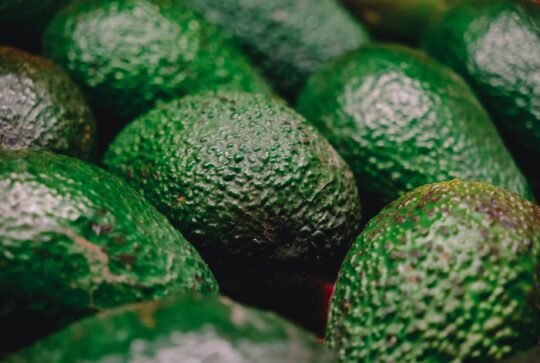
Introduction to the Global Avocado Market
The global avocado market has witnessed substantial growth over the past decade, driven by the fruit’s rising popularity among health-conscious consumers and culinary enthusiasts. Often hailed as a superfood, avocados are renowned for their rich nutritional profile, offering an abundance of vitamins, healthy fats, and antioxidants. This nutritional appeal, combined with the fruit’s versatility in various culinary applications—from salads and sandwiches to smoothies and guacamole—has propelled avocados to the forefront of global food trends.
The primary producers of avocados include Mexico, which accounts for nearly half of the world’s production, along with other significant contributors such as Peru, California, and Kenya. These regions benefit from favorable climatic conditions, allowing them to cultivate high-quality avocados to meet the burgeoning demand. The supply and demand dynamics of avocados have seen notable shifts, influenced by factors such as climate change, trade policies, and evolving consumer preferences. For instance, adverse weather conditions in major producing countries have sometimes led to supply shortages, causing fluctuations in market prices.
Kanga Fruits has emerged as a relevant player within this thriving market. The company has capitalized on the growing demand for avocados by sourcing and distributing premium-quality fruits to a global audience. Through sustainable farming practices and robust supply chain management, Kanga Fruits ensures that their avocados not only meet but exceed market expectations in terms of taste, quality, and nutritional value. As the demand for nutritious and versatile food options continues to rise, the global avocado market is poised for further expansion, presenting opportunities and challenges for producers, distributors, and consumers alike.
Current Trends in Avocado Consumption
In recent years, avocado consumption has seen a significant rise worldwide, propelled by a diverse array of trends that emphasize health-conscious eating, the rise of plant-based diets, and the popularity of innovative food recipes. Avocados, rich in essential nutrients like healthy fats, vitamins, and minerals, have become a staple in the diets of those seeking nutritious and wholesome food options.
Globally, the shift towards healthier eating habits has significantly contributed to the increased demand for avocados. Consumers are increasingly aware of the health benefits associated with avocados, such as their ability to help maintain cardiovascular health and support weight management. This growing health awareness is particularly notable in North America and Europe, where the pursuit of balanced diets has driven the surge in avocado consumption.
Plant-based diets, advocating the consumption of fruits, vegetables, legumes, and whole grains, have also markedly boosted the popularity of avocados. As more individuals opt for vegan or vegetarian lifestyles, avocados offer a versatile and nutrient-packed ingredient. Their creamy texture and rich taste make them a popular substitute in dishes that traditionally rely on animal products, thus aiding in the promotion of sustainable food sources.
The culinary versatility of avocados has spawned a myriad of recipes ranging from simple avocado toast to more elaborate dishes like avocado sushi or even smoothies. This versatility caters to diverse palates and dietary preferences across various regions. For instance, in regions such as Latin America, avocados have long been ingrained in traditional cuisines, whereas in Asia, novel uses of avocados have been rapidly emerging.
Social media platforms and food influencers play a pivotal role in escalating the global obsession with avocados. Platforms like Instagram and TikTok are replete with visually appealing avocado recipes that inspire millions of followers to incorporate the fruit into their meals. Influencers frequently highlight the fruit’s health benefits, its gastronomic versatility, and provide creative culinary inspiration that resonates globally.
Concisely, the current trends driving avocado consumption are multifaceted, spanning health consciousness, plant-based dietary preferences, and culinary innovation. With the continued influence of social media and the growing global inclination toward healthier eating practices, avocados are likely to maintain their prominent status in global markets.
Major Avocado Markets
The global avocado market is marked by distinctive regional characteristics and consumer behaviors. Among the foremost markets, the United States stands out as the largest consumer of avocados. The popularity of avocados in the U.S. has been steadily growing, driven by the rise of health consciousness and the fruit’s promotion as a superfood. Import data reveals that Mexico is the primary supplier, accounting for over 80% of the avocados imported into the U.S. market. Despite import tariffs, the demand remains robust, with local production in states like California and Florida supplementing the supply.
In Europe, avocados have seen a significant uptick in consumption, particularly in countries like the Netherlands, Spain, and France. The European market is characterized by a preference for ready-to-eat, ripened avocados, and the local production, predominantly in Spain, coupled with imports from Peru, Chile, and South Africa, caters to the growing demand. Tariff regulations within the European Union generally facilitate smoother trade, fostering a conducive environment for avocado importers and producers alike.
Asia represents a rapidly evolving market with immense growth potential. In countries such as Japan and South Korea, awareness and consumption of avocados have increased substantially. However, it is in emerging markets like China and India where the future growth prospects are most promising. Both countries have large, increasingly health-conscious populations that are quickly developing a taste for avocados. The import statistics indicate a rising trend, though high tariffs and lack of domestic production in these countries present challenges that industry stakeholders continue to navigate.
Lastly, Latin America, although a leading producer, emerging markets like Brazil are witnessing growth in domestic consumption as well. The interplay of local production capacity and export demands shapes the dynamics in these regions.
Challenges in the Avocado Supply Chain
The supply chain for avocados faces a myriad of challenges that influence both the availability and pricing of this popular fruit. One primary issue is the impact of climate change, which affects growing conditions in key avocado-producing regions. Unpredictable weather patterns, prolonged droughts, and extreme temperatures can devastate crops, leading to reduced yields and supply inconsistencies. Such environmental fluctuations often result in higher prices for consumers due to the imbalance between supply and demand.
Disease management presents another significant challenge. Avocado farmers contend with diseases like laurel wilt and avocado root rot, both of which can severely affect crop health and productivity. These diseases require vigilant monitoring and significant investments in advanced agricultural practices and treatments. Preventing the spread of these diseases is crucial for maintaining a stable supply chain.
Transportation logistics also play a critical role in the avocado supply chain. Avocados must be transported under specific conditions to ensure they remain fresh upon arrival at their destination. Cold chain logistics, efficient packing, and timely transportation are all essential. However, disruptions in any part of this logistical chain, whether due to infrastructure issues, labor strikes, or geopolitical tensions, can lead to delays and spoilage, impacting the overall supply and inflating prices.
Sustainability concerns are increasingly becoming a priority within the avocado industry. Practices such as deforestation, excessive water usage, and non-sustainable farming methods have raised alarms among environmentalists and consumers alike. Consequently, there is a growing demand for more sustainable approaches to avocado cultivation and distribution. Companies like Kanga Fruits are leading the way by investing in innovative farming techniques, advocating for fair labor practices, and forming strategic partnerships that prioritize environmental responsibility.
By addressing these challenges head-on through technological advancements, collaborations, and a commitment to sustainability, stakeholders in the avocado supply chain, including Kanga Fruits, are working towards ensuring a more stable and responsible supply of avocados in the global market. This not only helps in maintaining reasonable prices but also contributes positively to environmental and social standards.
Economic Impact of Avocado Trade
The avocado trade has emerged as a significant economic driver for both producing and importing countries, contributing substantially to local economies. This dynamic sector supports numerous local economies by generating revenue and fostering employment opportunities. In producing regions, avocados have become a lucrative cash crop, resulting in improved living standards and economic development.
Smallholder farmers, who often represent a significant portion of avocado producers, benefit significantly from the trade. By engaging in avocado farming, these farmers can diversify their income sources, enhance food security, and elevate their standard of living. The presence of large-scale operations further amplifies this economic impact by creating more substantial employment opportunities and enabling infrastructural development in rural areas.
In the import markets, avocados contribute to economic activity through the supply chain involving wholesalers, retailers, and allied industries. The high demand for avocados in markets such as the United States, Europe, and Asia drives growth in logistics, trade services, and retail sectors, thus positively influencing the global and local economies alike.
Companies like Kanga Fruits play a pivotal role in enhancing the economic benefits of the avocado trade. Through ethical sourcing practices, Kanga Fruits ensures that smallholder farmers receive fair compensation for their produce, advocating sustainable agricultural practices that guarantee long-term economic viability. Ethical sourcing also helps in maintaining biodiversity, improving farmers’ quality of life, and strengthening local economies through stable and fair trade relationships.
Moreover, large-scale operations can implement advanced agricultural techniques and infrastructure, boosting productivity and ensuring higher quality produce. This integration of modern technology with traditional farming practices helps in conserving resources, increasing yield efficiency, and reducing environmental impact. Such practices exemplify the balance of economic growth with social and environmental responsibility, fostering a sustainable avocado trade ecosystem.
Consumer Preferences and Marketing Strategies
In recent years, consumer preferences for avocados have significantly evolved, reflecting broader trends towards healthier living and greater environmental consciousness. A notable shift has been the increasing demand for organic avocados, driven by a growing segment of health-focused individuals who prioritize pesticide-free and naturally cultivated produce. Additionally, sustainably sourced avocados are gaining popularity as eco-conscious consumers seek products that align with their values of environmental stewardship and social responsibility. This demographic is particularly attentive to the ethical implications of their consumption choices, favoring brands that demonstrate a commitment to fair trade practices and minimized environmental impact.
Marketing strategies in the avocado industry must adapt to these changing preferences to effectively capture and retain consumer interest. Customized marketing tactics tailored to distinct consumer segments have proven invaluable. Brands often employ digital marketing campaigns that highlight the nutritional benefits and versatile uses of avocados, leveraging influencers and social media platforms to reach health enthusiasts and food lovers. Transparently communicating sustainability efforts through packaging and storytelling further resonates with eco-aware shoppers, enhancing brand credibility and loyalty.
Kanga Fruits has adeptly navigated these dynamics to solidify its market presence and foster strong brand loyalty. By offering a diverse range of avocados, including organic and sustainably sourced options, Kanga Fruits caters to the nuanced demands of modern consumers. Their marketing campaigns effectively utilize social media influencers to showcase creative avocado recipes and health benefits, thereby expanding their reach among younger demographics who are keen on exploring trendy and nutritious food options. Furthermore, Kanga Fruits emphasizes its commitment to sustainability by adopting eco-friendly packaging and promoting their fair trade practices, which reinforces consumer trust and satisfaction. Through these strategic efforts, Kanga Fruits not only meets current market demands but also cultivates a loyal customer base that appreciates their values and quality offerings.
Technological Advancements in Avocado Farming
Recent technological advancements have significantly transformed avocado farming, leading to enhanced productivity, better quality produce, and more sustainable practices. One of the major innovations is precision agriculture, which leverages technologies like satellite imagery, GPS mapping, and soil sensors to optimize farming practices. These tools allow farmers to monitor and manage their fields more efficiently, ensuring that resources like water and fertilizers are used judiciously, thus reducing waste and environmental impact.
Genetic improvements also play a crucial role in modern avocado farming. Through selective breeding and biotechnological methods, researchers have developed avocado varieties that are more resistant to diseases and pests, have longer shelf lives, and yield more fruit. These genetic advancements not only improve the quality and quantity of avocados but also contribute to greater food security and reduced dependency on chemical pesticides.
Sustainable farming practices have gained traction as the global community becomes increasingly aware of environmental conservation. Techniques such as organic farming, permaculture, and agroforestry are being integrated into avocado farms to enhance biodiversity, improve soil health, and reduce carbon footprints. These practices ensure that avocado farming remains viable in the long term, protecting ecosystems and supporting sustainable livelihoods for farmers.
Kanga Fruits, a leading player in the avocado market, has been at the forefront of adopting these innovative technologies. By implementing precision agriculture, investing in genetic research, and committing to sustainable farming practices, Kanga Fruits has managed to increase its yield, improve the quality of its produce, and minimize its environmental impact. This adoption of modern technologies not only solidifies Kanga Fruits’ competitive edge in the market but also aligns with global efforts towards sustainable agriculture.
Kanga Fruits: Positioning and Future Outlook
Kanga Fruits has managed to establish a strong position within the global avocado market through a strategic and comprehensive business model. The company is characterized by its robust supply chain strategies that emphasize efficiency and quality control from cultivation to distribution. By fostering close relationships with local farmers and adopting advanced agricultural practices, Kanga Fruits ensures the highest standards of product quality and consistency, setting itself apart in a competitive market.
One of the cornerstones of Kanga Fruits’ success is its commitment to market expansion. The company has been proactive in exploring new markets and diversifying its distribution channels. This strategy not only increases market share but also mitigates risks associated with regional market fluctuations. Through strategic partnerships and a strong online presence, Kanga Fruits aims to enhance its global reach, catering to an increasingly health-conscious consumer base that is driving the avocado market growth.
Kanga Fruits has also garnered recognition for its achievements in sustainability. The company’s initiatives include implementing eco-friendly farming techniques, reducing carbon footprints, and ensuring fair trade practices. This commitment to sustainability resonates well with modern consumers, who prioritize ethical and environmentally responsible products. As a result, Kanga Fruits maintains a positive brand image and customer loyalty, which are crucial for long-term success.
Looking ahead, Kanga Fruits is poised to adapt to changing market dynamics and consumer preferences. The company is investing in research and development to innovate its product offerings and enhance the nutritional value of its avocados. Additionally, Kanga Fruits plans to leverage data analytics to gain insights into consumer behavior and optimize its supply chain processes further. By staying attuned to market trends and continuously improving its operations, Kanga Fruits is well-positioned to sustain its growth trajectory in the global avocado market.
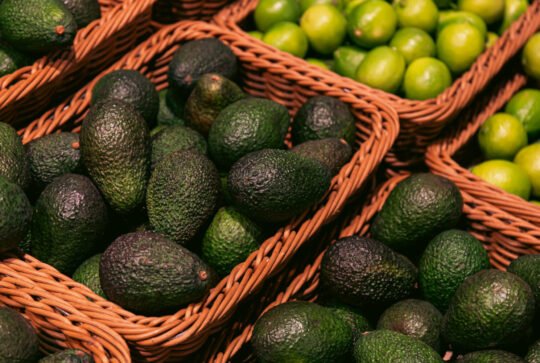
Introduction to Avocados
Avocados have a long and storied history, originating from Central and South America where they were first cultivated over 7,000 years ago. Today, they have become a beloved staple in many diets around the world, celebrated for their rich, creamy texture and versatile use in a variety of culinary applications. From the classic guacamole to innovative salads, smoothies, and even desserts, avocados lend a unique flavor and texture to numerous dishes.
One of the primary reasons avocados have gained such widespread popularity is their impressive nutritional profile. They are a nutrient-dense fruit packed with essential vitamins, minerals, and other beneficial compounds. Notably, avocados are an excellent source of healthy monounsaturated fats, which are known to support heart health by reducing bad cholesterol levels. This makes them a heart-healthy choice for people looking to maintain a balanced diet.
In addition to healthy fats, avocados provide a substantial amount of dietary fiber, which is crucial for maintaining digestive health and promoting a feeling of fullness that can aid in weight management. Their high fiber content also supports stable blood sugar levels, making avocados an excellent choice for individuals managing diabetes or those seeking to prevent blood sugar spikes.
Avocados are also rich in an array of vitamins and minerals. They are particularly high in vitamins K, E, C, and several B vitamins, including folate. These vitamins play essential roles in various bodily functions, such as blood clotting, skin health, immune support, and energy metabolism. Furthermore, avocados contain important minerals including potassium, which is vital for maintaining proper muscle function and regulating blood pressure.
The combination of these nutritional benefits makes avocados not just a delicious but also a highly beneficial addition to any diet. Understanding their history, versatility, and the wealth of nutrients they offer can help individuals appreciate why avocados have earned their place as a true superfood in modern nutrition.
Selecting the Perfect Avocado
To fully savor the delightful taste and creamy texture of fresh avocados, it is crucial to select the best avocados available at your local store. The ripeness of an avocado can be discerned through careful examination of its color, texture, and firmness.
First, consider the color. A dark green to nearly black hue typically indicates that the avocado is ripe and ready for immediate consumption. Those with a lighter, vibrant green color, on the other hand, need a few days to ripen. It is pivotal to note, however, that some varieties such as the Fuerte remain green even at full ripeness, necessitating an additional check through texture and firmness.
The texture of the avocado skin also plays a significant role in assessing its ripeness. Generally, a bumpy and rough skin correlates with a Hass avocado, widely known for its creamy flesh and rich flavor. Conversely, a smoother skin may align with other varieties such as the Bacon or Reed avocados. Both types need to be evaluated by their firmness for an accurate ripeness check.
Firmness is perhaps the most reliable indicator of ripeness. Hold an avocado gently in your hand and apply slight pressure. If the avocado yields slightly and retains an imprint, it is ripe and ready for use. A very soft avocado, yielding considerably to gentle pressure, might be overripe and should be consumed promptly or avoided if mushy. Finally, avocados that are firm and unyielding to pressure signify that they need more time to reach ripeness, making them ideal if you do not intend to use them immediately.
Understanding these stages will assist you in planning when to enjoy your avocados. Selecting a variety of slightly unripe and ripe avocados during your shopping trip ensures that you have some ready to eat immediately, while others ripen gradually over the week, enhancing meal preparation flexibility.
Proper Storage Techniques
Storing avocados correctly depends significantly on their state of ripeness. For ripe avocados, it is best to keep them in the refrigerator. The chilled environment slows down the aging process, allowing the avocados to stay fresh for a longer time. Typically, ripe avocados can last for up to three days when stored in the refrigerator. Ensure they are placed in the crisper drawer or a designated fruit section to maintain optimal conditions.
If you have green avocados, they require a different approach. To ripen unripe avocados, keep them at room temperature. You can place them in a brown paper bag along with an apple or banana. The ethylene gas produced by these fruits hastens the ripening process, reducing the time required to just two to three days. Once the avocados start to yield to gentle pressure, they are ripe and should be moved to the refrigerator if not consumed immediately.
When it comes to storing cut avocados, preventing browning is crucial. Browning occurs due to oxidation, which can be mitigated by several techniques. Applying lemon or lime juice to the exposed flesh creates a protective barrier due to the citric acid. Wrapping the avocado tightly in plastic wrap or storing it in an airtight container can further reduce exposure to air. Additionally, keeping the avocado with its pit intact also helps slow down the browning process. Some people also recommend brushing the exposed flesh with olive oil as an alternative to citrus juice.
Incorporating these methods for storing avocados ensures they maintain their freshness and quality. Whether you are dealing with ripe, unripe, or cut avocados, the correct storage techniques will help extend their shelf life and allow you to enjoy them at their best.
Freezing Avocados for Later Use
Freezing avocados is an excellent way to extend their shelf life and ensure you always have this nutritious fruit on hand. To begin, start by selecting ripe avocados. A ripe avocado yields slightly to gentle pressure and has a rich, creamy texture. Before freezing, make sure to wash the avocados thoroughly to remove any dirt or residues.
Next, cut the avocados in half and remove the pits. Scoop out the flesh using a spoon and place it in a bowl. To prevent browning, which is a common issue when avocados are exposed to air, it is advisable to add a small amount of lemon or lime juice—about one tablespoon per avocado should suffice. The citrus juice helps to maintain the vibrant green color of the avocado and preserves its fresh taste.
Once you’ve prepped the avocado, you have a few options for freezing. If you prefer to store the avocado in halves, place the halves on a baking sheet lined with parchment paper and freeze until solid. After they are frozen, transfer them to a zip-lock bag or an airtight container. For those who prefer a more versatile option, mashing the avocados before freezing can be advantageous. Store the mashed avocado in a resealable bag, making sure to remove as much air as possible.
When choosing containers, opt for freezer-safe bags or airtight containers to minimize air exposure, which can compromise the avocado’s quality. Utilize resealable plastic bags or BPA-free plastic containers, ensuring they are labeled with the current date. Properly stored, frozen avocados can last up to six months without significant loss in quality.
It’s important to note that while freezing avocados can slightly alter their texture, making them softer and ideal for guacamole, dressings, or smoothies, the flavor remains largely intact. Frozen avocados may not be suitable for dishes requiring slices, as thawing can lead to a change in their structure.
By following these steps, you can enjoy avocados year-round, with the convenience of having them ready whenever needed.
Delicious Ways to Enjoy Fresh Avocados
Avocados are more than just a trendy fruit; they are a versatile ingredient that adds flavor and nutrition to a myriad of dishes. One of the classic ways to enjoy fresh avocados is by making guacamole. This dip, typically composed of mashed avocados, lime juice, cilantro, and various spices, can be served with tortilla chips, vegetable sticks, or as a topping for tacos and burritos.
Another popular and simple way to savor avocados is through avocado toast. Spread ripe avocado on whole grain toast and season with salt, pepper, and a squeeze of lemon juice. For added variety, consider topping your toast with fresh tomatoes, radishes, or even a poached egg.
Avocados also make for a delightful addition to salads, providing a creamy texture that contrasts with crisp greens and other vegetables. Try adding sliced avocados to a leafy green salad with cherry tomatoes, cucumbers, and a light vinaigrette. For a more substantial meal, incorporate avocados into a Cobb salad alongside grilled chicken, bacon, hard-boiled eggs, and blue cheese.
For smoothie enthusiasts, avocados can be blended into drinks to create a creamy, nutrient-dense beverage. Combine ripe avocado with fruits like banana and berries, along with spinach, a splash of almond milk, and a touch of honey for a delicious and healthful smoothie.
Beyond these classic dishes, avocados can be used in a variety of innovative ways. They can be incorporated into baked goods like brownies for added moisture, or used to make a rich and creamy avocado-based pasta sauce. Pairing avocados with different foods, such as incorporating slices into sandwiches or wraps, enhances their natural flavor and brings out their best qualities.
These easy-to-follow recipes and serving ideas highlight the versatility of avocados, making it simple to enjoy this delicious fruit in countless ways. Whether for breakfast, lunch, dinner, or a quick snack, avocados can elevate your meals and offer a nutritious boost.
Incorporating Avocados into Your Daily Diet
Avocados are a versatile and nutrient-dense food that can seamlessly fit into various meals, making them an ideal addition to a balanced diet. Their creamy texture and rich flavor offer countless culinary possibilities, whether you’re looking for a hearty breakfast, a wholesome lunch, a filling dinner, or a satisfying snack.
For breakfast, consider adding mashed avocado on whole grain toast, topped with a poached egg and a sprinkle of sea salt and pepper. This takes mere minutes to prepare and provides a great start to your day, offering a balanced mix of healthy fats, fiber, and protein. Another excellent option is blending avocado into your morning smoothie. Its creamy consistency enhances the texture while contributing beneficial nutrients like potassium and vitamin E.
When planning for lunch, an avocado salad can be a quick and nutritious choice. Combine diced avocados with leafy greens, cherry tomatoes, cucumbers, and a lean protein source, such as grilled chicken or chickpeas. Drizzle with a light vinaigrette to tie the flavors together without overwhelming the natural taste of the vegetables. Avocados can also be a delightful addition to sandwiches and wraps, providing a creamy alternative to traditional spreads like mayonnaise.
For dinner, incorporating avocados into grain bowls, tacos, and sushi rolls can elevate the meal’s nutritional profile. Avocado slices make a wonderful garnish for chili and soups, adding both texture and flavor. You can also venture into creating avocado-based pasta sauces, combining mashed avocado with ingredients like lemon juice, garlic, and olive oil for a healthier substitute to creamy sauces.
As a snack, avocados can be enjoyed in various ways—whether it’s a simple slice with a dash of lime juice, incorporated into guacamole with whole-grain crackers, or blended into a rich, satisfying avocado dip. Portion control is key; while avocados are nutritious, they are calorie-dense. A general guideline is to consume about one-third of an avocado per serving to keep your calorie intake in check while still reaping the benefits.
Incorporating avocados into your diet not only enhances meal variety but also supports overall health. Their high content of heart-healthy monounsaturated fats, vitamins, and minerals bolster a balanced diet, aiding in everything from improved digestion to reducing the risk of chronic diseases. By following these tips, you can effortlessly make avocados a regular feature in your everyday meals, ensuring both enjoyment and nutritional adequacy.
Health Benefits of Avocados
Avocados, often lauded as a superfood, offer an array of health benefits that are backed by both scientific research and expert opinions. One of the most notable advantages of consuming avocados is their positive impact on heart health. Rich in monounsaturated fats, avocados help to lower bad cholesterol levels while raising good cholesterol. The American Heart Association has highlighted avocados as a heart-healthy food due to their ability to reduce the risk of cardiovascular diseases.
Beyond cardiovascular benefits, avocados can play a significant role in weight management. These fruits are dense in nutrients but relatively low in calories, making them a satisfying food that can help control appetite. A study published in the Nutrition Journal found that people who included avocados in their meals felt more satiated and less inclined to overeat in subsequent hours.
Avocados also boast skin care benefits. Packed with vitamins E and C, two essential nutrients for maintaining skin health, they help to protect against oxidative damage and support collagen formation. A published paper in the Journal of Dermatological Science underscores the antioxidant properties of these vitamins in mitigating skin aging and enhancing skin health.
Several myths surround avocados, often leading to misconceptions about their health benefits. One common myth is that avocados are fattening. While they are indeed high in fats, these are heart-healthy fats essential for maintaining overall health. It’s important to discern that not all fats contribute to weight gain, and the fats in avocados can actually support weight loss when consumed in moderation. Another misconception is that avocados have no significant protein content; however, a single avocado contains up to 3 grams of protein, providing essential amino acids.
To sum up, the health benefits of avocados extend far beyond satisfying the taste buds. From promoting heart health and aiding in weight management to enhancing skin care, the scientific community continues to uncover the myriad ways in which avocados contribute to our overall well-being.
Conclusion: Making Avocados a Lifestyle
The journey through the world of avocados has highlighted their numerous benefits and the simple methods to maximize their freshness and flavor. Incorporating avocados into your daily diet not only elevates the taste of your meals but also enhances your overall nutritional intake, thanks to their rich content of healthy fats, vitamins, and minerals.
We have explored various strategies for avocado storage, from ripening techniques such as using brown bags to slow down or accelerate the process, ensuring you enjoy them at their peak. Additionally, we discussed efficient methods to store avocados, like refrigerating ripe ones to extend their usability and keeping cut avocados fresh with citrus or proper wrapping to prevent oxidation. Each step ensures that your avocados remain a healthy, delicious part of your diet.
Experimenting with avocados in culinary creations invites an array of new flavors and textures into your kitchen. Whether you’re blending them into smoothies, spreading them on toast, or crafting exquisite guacamole, the versatility of avocados opens the door to endless possibilities. Embrace the challenge of trying new recipes and storage techniques, enhancing both your culinary skills and appreciation for this remarkable fruit.
We encourage you to share your tips and favorite avocado recipes with our community. Your insights could inspire others to explore new ways to store, prepare, and enjoy avocados, fostering a shared passion for this nutritious and versatile ingredient.
In conclusion, making avocados a staple in your lifestyle not only boosts your health but also offers delightful culinary experiences. Let’s continue to learn, experiment, and celebrate the many wonderful facets of avocados together.
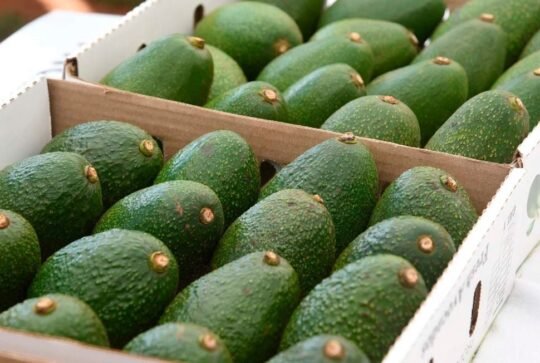
Introduction to Kanga Fruits
Kanga Fruits stands as a premier supplier of fresh, high-quality fruits sourced directly from the fertile lands of Kenya. With a mission to bridge the gap between Kenyan farmers and global consumers, Kanga Fruits is committed to delivering superior produce that retains its nutritional value and delightful taste. Our dedication to freshness is paramount, with intricate logistics ensuring that every piece of fruit reaches the consumer in optimal condition.
Our product range is vast, encompassing a variety of fruits that showcase the richness of Kenyan soil. Among these, Kenyan avocados hold a special place due to their rich texture, flavor, and high demand in international markets. Moreover, other offerings include sweet mangoes, ripe pineapples, and succulent passion fruits, all celebrated for their exceptional quality and freshness.
Kanga Fruits employs rigorous quality control measures from harvest to delivery. This unwavering attention to detail ensures that whether it is by air shipment for avocados or sea shipment for avocados, each fruit arrives as fresh as the moment it was picked. This meticulous approach not only supports the health and satisfaction of consumers across the globe but also enables Kenyan farmers to reach new, expansive markets.
Moreover, Kanga Fruits is committed to sustainability and ethical farming practices, benefiting both the environment and local communities. By fostering transparent partnerships with farmers, we ensure that our fruits are grown using practices that promote soil health, conserve water, and reduce the carbon footprint.
Ultimately, Kanga Fruits is more than a fruit supplier. It is a conduit for delivering the very best of African avocados and other exquisite fruits to your table, ensuring freshness, flavor, and health in every bite.
The Origin: Kenyan Agriculture and Its Bounty
Kenya stands as a prominent player in the global agricultural landscape, largely due to its diverse climatic conditions and fertile soil profiles. These favorable conditions enable the cultivation of an extensive array of fruits, making Kenyan produce highly sought after in global markets. The country benefits from varying altitudes and microclimates, offering unique growing environments that contribute to the quality and consistency of the fruits produced.
One of the key highlights of Kenyan agriculture is its rich volcanic soil, which is highly fertile and packed with essential nutrients. This soil type is especially conducive to growing fruits such as avocados, mangos, and passion fruits, which thrive in nutrient-dense environments. Additionally, the country’s equatorial climate ensures that there’s consistent sunlight throughout the year, further enhancing the growth cycles of these fruits.
The expertise of local farmers also plays a crucial role in the agricultural success of Kenya. Many farmers employ traditional farming methods passed down through generations, which are now being combined with modern agricultural practices. This blend of knowledge ensures that Kenyan fruits, particularly the highly coveted Kenyan avocados, are not only abundant but also of exceptional quality. The skillset of these farmers, along with rigorous quality control measures, ensures that African avocados meet international standards and preferences.
Furthermore, the Kenyan government and various agricultural bodies have instituted several initiatives aimed at supporting the agricultural sector. These initiatives include the provision of better farming equipment, access to high-quality seeds, and comprehensive training programs on sustainable farming practices. Such measures have significantly enhanced the productivity and quality of Kenyan fruits, thereby reinforcing the country’s position in the global market.
Sustainable Farming Practices
Kanga Fruits has committed to sustainable farming practices that not only ensure the highest quality of Kenyan avocados but also safeguard our environment for future generations. One of the cornerstone techniques employed by Kanga Fruits is organic farming. By avoiding the use of synthetic fertilizers and pesticides, we maintain the natural balance of our ecosystems and produce healthier, more nutrient-rich African avocados. Our reliance on organic farming not only benefits the consumers but also fosters biodiversity and enhances soil fertility, preserving the land’s productivity for years to come.
Eco-friendly pest control is another critical aspect of our farming practices. Kanga Fruits employs integrated pest management (IPM) strategies that minimize harm to beneficial insects and reduce reliance on chemical treatments. Through the use of biological controls such as natural predators and pheromone traps, we effectively manage pest populations while maintaining ecological balance. This approach aligns with our commitment to sustainability and ensures that our Kenyan avocados are both safe and environmentally friendly.
Water conservation is paramount in our farming operations, given the importance of this vital resource. Kanga Fruits implements efficient irrigation systems, such as drip irrigation, which significantly reduce water usage by delivering water directly to the plant roots. This method not only conserves water but also promotes healthier plant growth by preventing overwatering and reducing soil erosion. Our water conservation practices are designed to adapt to varying climatic conditions, ensuring the availability of fresh avocados even during periods of drought.
Maintaining soil health is essential for the long-term viability of our farming practices. Kanga Fruits employs crop rotation and cover cropping to enhance soil structure, prevent erosion, and replenish essential nutrients. By diversifying the crops grown on our lands, we reduce pest and disease cycles and enhance the resilience of our farming ecosystem. Additionally, the use of organic compost and green manures enriches the soil, fostering robust, disease-resistant avocado trees that yield high-quality produce.
Our comprehensive approach to sustainable farming substantially reduces our carbon footprint. Practices such as minimal tillage, use of renewable energy sources, and efficient logistics in both air shipment for avocados and sea shipment for avocados contribute to lowering greenhouse gas emissions. Kanga Fruits is committed to continuously innovating and adopting green technologies to further minimize the environmental impact of delivering the freshest Kenyan avocados to markets worldwide.
The Logistics: From Farm to Global Consumer
Kanga Fruits employs a meticulously coordinated logistics chain to ensure that their Kenyan avocados reach global consumers in peak condition. The process begins with careful harvesting at Kenyan farms. These farms are backed by thorough quality control measures to ensure that only the finest avocados make it to the next stage. Harvesting is strategically timed to maximize ripeness while still allowing for safe transportation over long distances.
Once harvested, the avocados are sent to specialized packaging facilities. Here, the fruits undergo stringent quality checks before being sorted and packaged in a manner designed to minimize damage and preserve freshness. The packaging materials are state-of-the-art, incorporating innovations like modified atmosphere packaging that helps extend shelf life by controlling the internal environment around the fruit.
Transportation is a crucial element in the logistics chain. Kanga Fruits utilizes both air shipment and sea shipment methods to deliver their avocados globally. Air shipment for avocados is used when rapid delivery is essential to meet tight deadlines, ensuring that the fruits remain fresh upon arrival. On the other hand, sea shipment for avocados is employed for bulk transportation, using refrigerated containers to maintain optimum temperature and humidity levels throughout the journey.
The entire logistics process, from the farm in Africa to the global consumer’s table, is streamlined to take the least amount of time possible. Despite being halfway across the world, Kenyan avocados can reach consumers in major global markets within just a few days when air freight is utilized. Even with sea freight, transit times are kept as short as feasible, often taking no more than a few weeks.
By merging robust agricultural practices with advanced transportation technologies, Kanga Fruits ensures that African avocados remain as fresh upon arrival as they were at the moment of harvest, solidifying their reputation as a premier exporter in the global market.
Maintaining Quality and Freshness
Kanga Fruits employs stringent quality control measures to ensure that each shipment of Kenyan avocados meets the highest standards of freshness, taste, and safety. From the moment the avocados are harvested, they undergo a series of rigorous tests designed to monitor and maintain their optimal condition. These processes begin at the farm level, where experienced agronomists assess the maturity and quality of the fruit before it is carefully picked by trained personnel to prevent bruising and damage.
Once harvested, the avocados are transported to state-of-the-art packing facilities where they undergo further inspection. Here, cutting-edge technology plays a pivotal role in maintaining quality. Advanced sorting machines equipped with imaging sensors evaluate the external and internal attributes of the avocados, ensuring only the best fruit proceeds along the supply chain. Additionally, these facilities are equipped with cold storage units that maintain ideal temperature and humidity levels, preserving the avocados’ freshness until they are ready for shipment.
Kanga Fruits leverages both sea shipment for avocados and air shipment for avocados according to the needs and constraints of various markets. Sea shipment is primarily utilized for large volumes, benefiting from controlled atmosphere containers that regulate oxygen and carbon dioxide levels to extend the shelf life of the avocados. For markets requiring expedited delivery, air shipment is implemented to ensure the avocados reach their destination with minimal transit time, maintaining peak freshness.
Technological advancements in tracking systems are integral to Kanga Fruits’ operations, providing real-time monitoring of the storage conditions throughout the transit period. This includes the use of GPS-enabled temperature loggers and humidity sensors, which continuously transmit data to centralized management systems. By analyzing this data, Kanga Fruits ensures that any potential deviations from the optimal storage conditions are promptly addressed, thereby safeguarding the quality of the avocados until they arrive at the consumer’s doorstep.
Market Reach and Target Audience
Kanga Fruits has strategically positioned itself to tap into a broad spectrum of global markets, ensuring that its premium produce, such as Kenyan avocados, reaches consumers around the world. The company’s market reach spans multiple continents including North America, Europe, Asia, and the Middle East, leveraging both air shipment for avocados and sea shipment for avocados to maintain the highest standards of freshness and quality throughout the supply chain.
Targeting discerning consumers who have a penchant for exotic fruits, Kanga Fruits has cultivated a loyal customer base. These consumers are typically health-conscious individuals, culinary enthusiasts, and food industry professionals who value the nutritional benefits and unique flavors of African avocados. The demand for such high-quality produce extends to restaurants, specialized grocery stores, and even e-commerce platforms dedicated to delivering fresh produce directly to consumer homes.
Market trends indicate a growing appreciation for exotic fruits, fueled by increased awareness of their health benefits and superior taste profiles. The shift towards natural, healthy eating options has buoyed the popularity of Kenyan avocados, which are renowned for their rich, creamy texture and high nutrient content. Additionally, customer feedback underscores the importance of freshness, influencing Kanga Fruits’ commitment to optimized logistics and expeditious transport methods.
In the European market, for example, there is a notable demand for sustainably sourced and ethically traded produce. Kanga Fruits meets these expectations by adhering to stringent agricultural practices and maintaining transparency about its sourcing methods. Similarly, in North America, there is an increasing preference for organic and non-GMO fruits, allowing Kanga Fruits to capitalize on this niche market by offering certified organic Kenyan avocados.
Through effective utilization of both air and sea shipment options, Kanga Fruits ensures that the unique flavors and health benefits of African avocados are accessible to a worldwide audience. This global outreach not only enhances the company’s brand presence but also contributes significantly to fulfilling the rising consumer demand for fresh, exotic produce.
The Economic Impact on Kenyan Farmers
Kanga Fruits has profoundly transformed the economic landscape for numerous Kenyan farmers. With a focus on the global demand for African avocados, primarily via air and sea shipment channels, the company’s outreach has facilitated a sustainable income source for many local producers. The constant demand ensures that Kenyan farmers have a reliable market for their produce, which invariably improves their standard of living and contributes positively to the local economy.
One compelling story comes from Nyakio, a smallholder avocado farmer from Murang’a County. Before partnering with Kanga Fruits, Nyakio struggled to find a consistent market for her yield, often facing the risk of spoilage. Today, she highlights how her collaboration with Kanga Fruits ensures her avocados reach international markets quickly and efficiently, be it through air shipment for avocados needing a swift delivery or sea shipment for larger volumes. This partnership has doubled her income, allowing her to invest in better farming equipment and education for her children.
Moreover, Kanga Fruits undertakes multiple community support initiatives aimed at long-term growth. They provide essential training in sustainable farming practices, ensuring that Kenyan avocados meet global standards for quality and sustainability. This training helps farmers optimize yield, manage resources effectively, and ultimately produce high-quality avocados efficiently.
Other testimonials narrate similar impacts. Josphat, another farmer, speaks about the security and financial stability brought about by his dealings with Kanga Fruits. The consistent demand for sea shipment for avocados has enabled him to expand his farm, hire additional labor, and contribute to the local economy by creating job opportunities.
In addition to individual benefits, the collective upliftment in the community is noteworthy. With the influx of steady income, local businesses, schools, and public services have seen appreciable improvements, creating a ripple effect of economic progress. By facilitating global markets for Kenyan avocados, Kanga Fruits exemplifies a successful model of how commercial ventures can positively impact local farmers and communities.
Future Prospects and Innovations
Kanga Fruits stands at the cusp of several transformative advancements poised to shape the future landscape of its operations. Among the most promising developments is the introduction of new product lines, geared towards appealing to a broader array of consumer preferences. These upcoming products are envisioned to not only diversify Kanga Fruits’ offerings but also to solidify its reputation as a purveyor of premium African avocados and other exotic produce.
Market expansion remains a focal point. With a strategic blueprint in place, Kanga Fruits is set to penetrate untapped international markets, broadening the scope of its global footprint. This expansion is buttressed by a meticulous assessment of market dynamics and consumer demand, ensuring that the quality of Kenyan avocados continues to meet and exceed global standards. By embracing a model that includes both air shipment for avocados and sea shipment for avocados, Kanga Fruits optimizes the delivery speed and freshness of its produce, thus maintaining its competitive edge.
In terms of farming and agricultural innovations, Kanga Fruits is committed to sustainable practices that enhance productivity while conserving resources. Cutting-edge techniques such as precision farming and advanced irrigation systems are being integrated to boost the yield and quality of crops. These innovations not only promise higher efficiency but also align with Kanga Fruits’ ethos of environmental stewardship.
Logistics, too, is poised for a revolution. The company is exploring partnerships with leading technology firms to develop smart logistics solutions. These ventures aim to streamline supply chain management, reduce transit times, and ensure the seamless delivery of fresh Kenyan avocados to global markets. Innovations like real-time tracking and cold-chain logistics play a crucial role in sustaining the freshness and nutritional value of the produce throughout its journey.
Overall, Kanga Fruits’ future prospects and innovations underscore its unwavering commitment to delivering fresh, sustainable fruits while continuously evolving to meet the demands of an ever-changing global market.